
Mosquitoes
Mosquito Identification
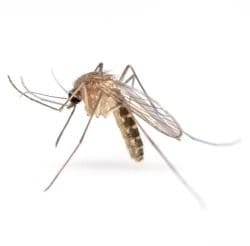
Mosquitoes typically have a brownish color but may also appear gray or black.
Mosquitoes measure from 2 to 10 millimeters in length.
The Physical structure of these tiny insects is also worth exploring. Mosquitoes have slender bodies divided into the head, thorax, and abdomen. The head contains the mosquito’s sensory organs, such as its two compound eyes and antennae.
Get A Free Quote
We are affordable Pest Control Service in GTA & Surroundings Areas.
Mosquitoes are small flying insects that are commonly found around homes, gardens, parks, and other outdoor spaces. They are best known for their itchy bites, but their presence can also make it difficult to enjoy patios, backyards, and evening activities. Mosquitoes are especially active when warm weather and suitable breeding conditions allow their populations to grow.
The most effective way to reduce mosquitoes around your property is to remove standing water, limit places where adult mosquitoes can rest, and protect yourself from bites. Even a small container of water can provide a breeding site for certain mosquito species.
Understanding what mosquitoes look like, where they breed, and how they behave can help homeowners take practical steps to manage them. This guide explains the mosquito life cycle, common breeding areas, signs of mosquito activity, prevention methods, and situations where professional pest management may be helpful.
What Are Mosquitoes?
Mosquitoes are small, flying insects belonging to the family Culicidae. They have slender bodies, long legs, narrow wings, and mouthparts adapted for feeding. Although many people associate mosquitoes with ponds and wetlands, several species can also breed close to houses in ordinary outdoor containers.
Both male and female mosquitoes feed on plant sugars, such as nectar. However, female mosquitoes of many species take blood meals because they need nutrients from blood to produce eggs. Male mosquitoes do not bite people for blood.
Mosquitoes develop in water during their early life stages. Depending on the species and environmental conditions, they may use puddles, clogged gutters, containers, ponds, or other areas where water collects.
Their ability to breed in small amounts of water makes regular property maintenance an important part of mosquito prevention.
What Do Mosquitoes Look Like?

Mosquitoes are usually easy to recognize because of their long legs, narrow wings, and thin bodies. Their size and colouring vary by species, so not every mosquito looks exactly the same.
Common identifying features include:
- Slender body: Most mosquitoes have a narrow body that appears delicate compared with many other flying insects.
- Long legs: Their legs extend noticeably from the body and can be longer than the body itself.
- Narrow wings: Mosquitoes have a single pair of functional wings.
- Piercing mouthparts: Female mosquitoes have mouthparts adapted for taking blood meals.
- Small size: Most are small enough to pass unnoticed until they land on exposed skin.
Some species have distinctive pale or white markings on their legs and bodies, while others appear mostly brown, grey, or dark.
How to Tell Mosquitoes Apart From Other Flying Insects
Mosquitoes are sometimes confused with crane flies, midges, and other small flying insects. Crane flies generally have much longer legs and do not bite people for blood. Many midges resemble mosquitoes but lack the same biting behaviour.
If you notice small flying insects near outdoor lights or windows, look at their body shape and behaviour rather than assuming every insect is a mosquito.
Correct identification matters because different insects require different management approaches.
What Is the Mosquito Life Cycle?
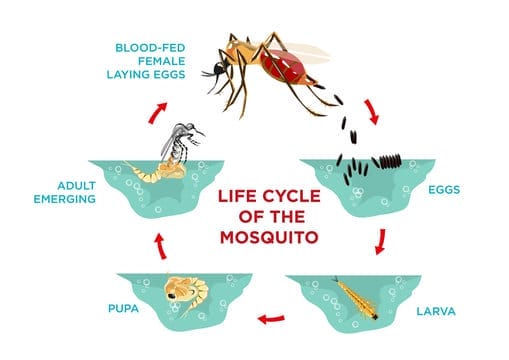
Mosquitoes have four life stages: egg, larva, pupa, and adult. The first three stages are associated with water, which explains why eliminating standing water is central to prevention.
Under favourable conditions, some mosquitoes can complete their life cycle in less than 10 days. The exact timing depends on the species, temperature, food availability, and other environmental conditions.
1. Eggs
Female mosquitoes lay eggs in or near water, depending on the species. Some lay eggs directly on the water’s surface, while others place them on damp surfaces that may later be flooded.
Potential egg-laying locations include:
- Buckets and plant saucers
- Old tyres
- Rain barrels
- Unused outdoor toys
- Clogged gutters
- Shallow puddles
- Containers left outside after rainfall
Some mosquito eggs can survive dry periods and hatch when water returns. This means that simply emptying a container may not always remove every egg attached to its sides. Where appropriate, clean the container as well.
2. Larvae
Mosquito eggs hatch into larvae when the necessary conditions are present. The larvae live in water and often move with a noticeable wriggling motion.
They feed on organic material and microorganisms in their aquatic environment. Mosquito larvae cannot develop normally without suitable water conditions.
If you notice small, moving organisms near the water’s surface in a neglected container, avoid assuming their identity based on appearance alone. Other aquatic organisms can look similar.
Emptying and cleaning removable containers is generally a useful first step in eliminating potential mosquito breeding sites.
3. Pupae
After the larval stage, mosquitoes develop into pupae. This stage also takes place in water. Pupae do not feed like larvae. Instead, the insect undergoes changes that prepare it to become an adult mosquito.
Because pupae remain in water, standing water that has been overlooked around a property can continue supporting mosquito development even when no adult mosquitoes are immediately visible.
Residential Pest Control Service
Customized pest control treatments can be used to safeguard your living space against bothersome pests and ensure that they don’t become a nuisance in your home.
4. Adult Mosquitoes
Adult mosquitoes emerge from the pupal stage and begin flying. Males generally feed on nectar and other plant sugars, while females of many species seek blood meals to support egg production.
After feeding, a female mosquito may look for a suitable place to lay eggs. If water continues to collect around a property, new generations can develop even after some adult mosquitoes have been removed.
This is why mosquito prevention should focus on breeding sites as well as the insects already flying around the yard.
Where Do Mosquitoes Live?
Mosquitoes occur in many environments, including wetlands, wooded areas, gardens, and residential neighbourhoods. Different species prefer different habitats, but access to suitable water is a common factor in their development.
Standing Water Around Homes
Standing water is one of the most important things to check when investigating mosquito activity.
Common sources include:
- Flowerpot saucers and plant trays
- Buckets, cans, and unused containers
- Children’s toys and wading pools
- Bird baths and outdoor pet dishes
- Rain barrels and water storage containers
- Blocked eavestroughs
- Low areas in lawns where water collects
- Water trapped beneath outdoor furniture or equipment
- Pool covers that hold rainwater
Mosquitoes do not need a large pond to breed. Depending on the species, a small amount of water may be enough.
Gardens and Dense Vegetation
Adult mosquitoes may rest in cool, shaded, humid areas during parts of the day. Dense vegetation, overgrown shrubs, and sheltered spaces can provide resting places.
Trimming excessive vegetation, removing accumulated debris, and improving airflow can make some areas less attractive to adult mosquitoes. However, landscaping alone will not solve a problem if suitable breeding water remains nearby.
Sheds, Decks, and Outdoor Structures
Water can collect in less visible places beneath decks, around sheds, and near outdoor storage areas. Poor drainage can create recurring wet spots after rainfall.
Inspect these areas after wet weather. Look for containers, blocked drainage paths, and low spots where water remains for several days.
Gutters and Drainage Systems
Clogged gutters can hold leaves and water, creating conditions that may support mosquito breeding. Downspouts can also discharge water into low areas where it remains trapped.
Clean eavestroughs regularly and correct drainage problems where practical. If water repeatedly pools in the same location, consider whether grading or drainage improvements are needed.
Why Are There So Many Mosquitoes in My Backyard?
A sudden increase in mosquitoes can have several causes. Warm temperatures, rainfall, local vegetation, nearby water, and seasonal conditions can all affect mosquito activity.
Recent Rainfall
Rain can fill containers, plant saucers, toys, and low spots around a property. If the water remains undisturbed, it may create suitable breeding conditions.
After rainfall, walk around the property and empty or cover items that collect water. Check locations that are easy to overlook, such as behind sheds and beneath outdoor equipment.
Warm Weather
Mosquitoes are cold-blooded insects, and temperature affects how quickly they develop. Warm conditions can shorten the time required for some species to move from eggs to adults. When warm weather coincides with standing water, mosquito activity may increase noticeably.
Nearby Breeding Areas
Mosquitoes may come from areas beyond the property line. Depending on the species, nearby wetlands, drainage features, neglected containers, and other suitable habitats may contribute to local activity. Removing water around your own home remains worthwhile, even when mosquitoes also originate elsewhere.
Dense, Shaded Spaces
Overgrown shrubs, cluttered corners, and sheltered outdoor areas may give adult mosquitoes places to rest. Reducing unnecessary clutter and maintaining vegetation can improve the usability of outdoor spaces.
If mosquito activity remains high despite routine maintenance, inspect the property more closely for hidden water sources and consider whether the problem may extend beyond the immediate yard.
Do Mosquitoes Bite Everyone?
Mosquitoes do not bite every person at the same rate. Individual attraction can vary with factors such as body odour, carbon dioxide emissions, heat, and the mosquito species involved.
A person who attracts fewer mosquitoes should not assume they are completely protected. Mosquitoes can bite at different times of the day, although many species are more active around dawn and dusk.
Female mosquitoes use their mouthparts to pierce the skin and obtain a blood meal. Their saliva can trigger a local reaction, resulting in itching, redness, and swelling.
Scratching can irritate the skin further. Avoid scratching bites as much as possible, and seek medical advice if a reaction is severe or if you develop concerning symptoms.
Are Mosquitoes Dangerous?
Most mosquito bites cause temporary irritation, but some mosquitoes can transmit pathogens that cause illness. The level of risk depends on the mosquito species, local conditions, and whether the insect carries an infectious agent.
In Canada, West Nile virus is an important mosquito-borne health concern. However, the risk of serious illness is generally low for most Canadians. This does not mean precautions are unnecessary.
To reduce exposure:
- Use an insect repellent registered for use in Canada and follow its label.
- Wear long sleeves, long pants, and socks when mosquito activity is high.
- Consider loose-fitting, tightly woven clothing.
- Repair damaged window and door screens.
- Use mosquito netting where appropriate, including around infants in outdoor settings.
- Limit exposure when mosquitoes are especially active.
For more guidance, consult Health Canada’s official advice on mosquitoes and mosquito control.
If you develop symptoms that concern you after mosquito exposure, contact a healthcare professional. Seek urgent medical attention for severe or rapidly worsening symptoms.
How to Prevent Mosquitoes Around Your Home
The most useful mosquito prevention measures target breeding sites before another generation can emerge. A consistent routine is more effective than checking the yard only when mosquitoes become noticeable.
1. Remove Standing Water Weekly
Walk around your property at least once a week during mosquito season. Empty, drain, scrub, cover, or dispose of items that collect water, as appropriate.
Pay particular attention to:
- Buckets and watering cans
- Plant saucers
- Unused toys
- Tyres and outdoor equipment
- Tarps that sag and hold rainwater
- Wheelbarrows
- Wading pools
- Containers stored beside sheds or fences
If a container must remain outdoors, keep it covered where practical or store it upside down when not in use.
2. Maintain Bird Baths and Pet Water Dishes
Water for birds and pets should be kept clean and refreshed regularly. Replace the water at least twice a week, and clean the containers as needed. This helps reduce stagnant water while maintaining appropriate access to drinking water for animals.
3. Keep Gutters Clear
Remove leaves and other debris that block drainage. Check downspouts to ensure water flows away rather than collecting beside the foundation or in the lawn. If you are unable to access a gutter safely, arrange suitable assistance instead of climbing an unstable ladder.
4. Improve Yard Drainage
Inspect low spots where water remains after rain. Correcting drainage issues may involve adjusting the ground surface or improving an existing drainage system.
Do not direct runoff onto a neighbouring property or into an area where it could create another problem. Consider professional advice if persistent pooling is difficult to resolve.
5. Maintain Pools and Water Features
Keep swimming pools properly maintained, including when they are not in regular use. Remove water that accumulates on pool covers. For ornamental ponds and other water features, appropriate circulation and maintenance can help reduce mosquito breeding. If a water feature cannot be drained or regularly cleaned, seek advice about suitable control options.
6. Repair Window and Door Screens
Check screens for holes, loose edges, and gaps around frames. Repair or replace damaged sections so mosquitoes have fewer opportunities to enter the house. Keep doors closed when practical, particularly during periods of high mosquito activity.
7. Reduce Excessive Vegetation and Clutter
Trim overgrown shrubs where appropriate, remove unnecessary debris, and keep storage areas organized. These measures can reduce sheltered resting places and make hidden breeding sites easier to find. Remember that trimming vegetation will not replace the need to remove standing water.
8. Protect Yourself Outdoors
Use a Health Canada-registered insect repellent according to its label directions. Wear suitable clothing when spending time outdoors, especially around dawn and dusk.
For children, follow the product’s age restrictions and application instructions. Never apply repellent contrary to its label, and avoid spraying it into the eyes or mouth.
How to Get Rid of Mosquitoes Indoors
Mosquitoes can enter homes through open doors, damaged screens, or other gaps. Finding one indoors does not automatically mean mosquitoes are breeding inside the house. Start by removing or killing individual mosquitoes safely, then investigate how they entered.
Check Entry Points
Inspect window screens, door seals, vents, and other openings. Repair damaged screens and close gaps where practical. Pay attention to doors leading to patios, garages, and backyards, where people may leave openings while moving between indoor and outdoor spaces.
Remove Indoor Water Sources
Check plant saucers, decorative containers, and other places where water may collect. If mosquitoes repeatedly appear in the same indoor area, investigate possible hidden water sources rather than relying only on methods that kill adults.
Use Control Products Carefully
Follow the product label for any pesticide or indoor insect-control product. Use only products intended for the location and purpose, and follow all instructions concerning ventilation, people, pets, and re-entry.
Avoid mixing products or applying pesticides more frequently than the label permits. If indoor mosquito activity persists, identifying the source is more useful than repeatedly treating the visible insects.
Do Mosquito Traps, Zappers, and Repellent Devices Work?
Some products are marketed as ways to attract, repel, trap, or kill mosquitoes. Their effectiveness varies, and a device that catches some insects may not meaningfully reduce the overall mosquito population around a property.
Health Canada’s mosquito guidance notes that products such as bug zappers and electronic sound-based repellents are not effective ways to reduce mosquito populations.
A practical mosquito management plan should prioritize removing breeding water, protecting people from bites, and using registered products according to their labels.
Do not assume that a single device can replace routine property maintenance.
Can Mosquito Larvicides Help?
Mosquito larvicides are products designed to control mosquitoes during their immature stages. They may be useful in certain water sources that cannot reasonably be emptied, drained, or covered.
However, the correct product and application depend on the water source, the intended use, the mosquito species, and the product label.
In Canada, use only products registered for the intended purpose and follow all label directions. Do not apply an insecticide to a pond, rain barrel, drinking-water source, or other water feature unless the product is specifically approved for that use.
If you are uncertain about a product or the conditions on your property, seek guidance from an appropriate pest management professional or local public health authority.
Common Mosquito Prevention Mistakes
Even well-maintained properties can have overlooked breeding areas. Avoid these common mistakes when managing mosquitoes.
Only Checking Large Ponds
A pond is not the only potential breeding site. Small containers, plant trays, blocked gutters, and water-filled toys may also support mosquito development. Check the entire property rather than focusing on one obvious water source.
Emptying Water but Ignoring the Container
Some mosquitoes lay eggs on the sides of containers near the waterline. Where appropriate, scrub the container after emptying it to help remove eggs that may remain attached.
Relying Only on Adult Mosquito Sprays
Products aimed at adult mosquitoes may reduce the number of visible insects in a particular area, but they do not necessarily eliminate the source of the problem. If standing water remains, additional mosquitoes may emerge. Combine any appropriate treatment with breeding-site prevention.
Ignoring Water After Rain
A property may appear dry during a routine inspection but collect water after a storm. Check again after rainfall, particularly around outdoor furniture, storage areas, tarps, and drainage points.
Assuming Mosquitoes Only Bite at Night
Many species are most active around dawn and dusk, but biting activity varies. Continue using appropriate precautions whenever mosquitoes are present.
When Should You Consider Professional Pest Management?
Basic prevention can make a meaningful difference, but some mosquito problems are difficult to manage without further assessment.
Consider professional advice when:
- Mosquito activity remains high despite regular removal of standing water.
- You cannot identify the likely breeding source.
- Drainage problems repeatedly create suitable mosquito habitat.
- The property includes water features that cannot be emptied or easily maintained.
- You need guidance on selecting an appropriate control method.
A professional assessment can help identify contributing conditions and determine which measures are suitable for the site. Recommendations should account for the property layout, nearby water, access limitations, and any relevant environmental or product-use requirements.
Not every mosquito problem requires pesticide treatment. Source reduction and prevention may be the most appropriate first steps, while more complex situations may require a broader approach.
Acme Pest Solutions provides residential and commercial pest control in its service areas. If you need help understanding a persistent pest concern, visit the website to review the available services and determine the appropriate next step.
Frequently Asked Questions About Mosquitoes
What attracts mosquitoes to a property?
Mosquito activity can be influenced by standing water, suitable breeding habitats, vegetation, temperature, rainfall, and nearby mosquito populations. Removing water and maintaining the yard can reduce some of these contributing factors.
How quickly can mosquitoes reproduce?
Some mosquitoes can complete their life cycle in less than 10 days under favourable conditions. Development varies by species, temperature, and habitat.
Can mosquitoes breed in a small amount of water?
Yes. Depending on the species, small containers and shallow pools can provide enough water for development. Check plant saucers, buckets, toys, and other items after rainfall.
Why are mosquitoes worse after rain?
Rain can fill containers and create temporary pools. If the water remains long enough under suitable conditions, it may support mosquito development.
Do all mosquitoes bite humans?
No. Male mosquitoes do not take blood meals. Female mosquitoes of many species bite people or animals to obtain nutrients needed for egg production.
Are mosquitoes active during the day?
Some species are more active during daylight, while many others bite more frequently around dawn and dusk. Activity depends on the species and environmental conditions.
Will removing standing water eliminate every mosquito?
It can reduce breeding opportunities on your property, but it may not eliminate all mosquitoes. Insects can originate from nearby habitats, and some breeding areas may be difficult to manage.
Are mosquito bites always dangerous?
Most bites cause temporary irritation, but some mosquitoes can transmit infections. Use appropriate bite-prevention measures and consult a healthcare professional if you develop concerning symptoms.
Should I use a mosquito fogger around my home?
Do not assume fogging is necessary or suitable for every property. Product selection and use depend on the label, the site, and the problem being addressed. Start with source reduction and seek professional advice if the problem persists.
What is the best way to prevent mosquitoes in a backyard?
Inspect the yard weekly, remove or manage standing water, maintain gutters, improve drainage, keep screens in good repair, and use an appropriate insect repellent when outdoors.
Take Practical Steps to Manage Mosquitoes
Mosquitoes are a common warm-weather nuisance, but understanding their life cycle makes prevention easier. Their early development depends on water, so regular inspections and the removal of suitable breeding sites are among the most useful actions homeowners can take.
Empty containers, maintain gutters, correct persistent drainage problems, and check outdoor spaces after rainfall. Combine these steps with window screens, suitable clothing, and registered insect repellents to reduce exposure to bites.
When mosquito activity remains difficult to manage, investigate hidden breeding areas and consider professional guidance. A practical approach focused on the source of the problem can help make outdoor spaces more comfortable while supporting responsible pest management.
For information about pest management services, visit Acme Pest Solutions.