
Squirrels
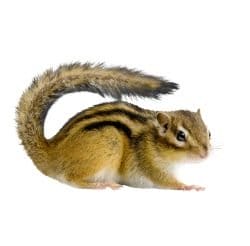
Squirrel Facts and Identification
Their limbs are adapted for climbing with sharp claws that help them grip onto bark or branches easily. Additionally, they have a long bushy tail that acts as an aid for balance when leaping between trees.
Squirrels can grow up to 27 inches in length.
Squirrels have a unique body structure that enables them to move swiftly and effortlessly through trees. Their limbs are adapted for climbing with sharp claws that help them grip onto bark or branches easily. Additionally, they have a long bushy tail that acts as an aid for balance when leaping between trees.
Get A Free Quote
We are affordable Pest Control Service in GTA & Surroundings Areas.
Squirrels are common wildlife in residential neighbourhoods, parks, and wooded areas across Ontario. Although they are often seen climbing trees or searching for food, squirrels can become a problem when they enter attics, chew building materials, or establish nests inside homes.
Understanding squirrel behaviour is the first step towards preventing property damage. Homeowners should know how to recognize squirrel activity, identify possible entry points, discourage squirrels from approaching the house, and determine when professional wildlife removal may be necessary.
This guide explains what squirrels are, why they enter buildings, how to recognize an infestation, and what practical steps can help keep them outside. It also covers the limitations of do-it-yourself methods and when to contact a wildlife removal professional.
What Are Squirrels?

Squirrels are small to medium-sized mammals belonging to the family Sciuridae. They include tree squirrels, ground squirrels, and flying squirrels. These animals are known for their agility, strong front teeth, bushy tails in many species, and ability to climb or move quickly through their environment.
In Ontario, eastern grey squirrels and red squirrels are among the species residents may encounter. Their appearance, behaviour, and preferred habitats differ, but both can sometimes approach buildings in search of food or shelter.
Squirrels are active animals that spend much of their time looking for food, exploring their surroundings, and preparing places to rest or raise their young. Trees, tree cavities, and sheltered spaces can provide suitable nesting locations. When natural shelter is limited or a building offers convenient access, a squirrel may investigate a roofline or attic.
Not every squirrel sighting indicates a pest problem. A squirrel in a garden or tree is usually part of normal urban wildlife activity. Concern increases when there are repeated signs of entry, persistent noises inside a structure, or visible damage around the roof.
For a more detailed introduction to squirrel behaviour and characteristics, read Acme Pest Solutions’ guide to what squirrels are.
Why Do Squirrels Enter Homes?
Squirrels usually enter buildings because they provide shelter, nesting opportunities, or access to a protected space. An attic may offer warmth, limited disturbance, and a place to raise young. A roof cavity can also be easier to access than a suitable natural nesting site. Several conditions can make a property attractive to squirrels.
1. Shelter from the weather
An attic, roof void, or other enclosed space can protect squirrels from rain, wind, and cold weather. Although squirrels are adapted to outdoor conditions, sheltered spaces may provide convenient places to rest or nest.
2. Suitable nesting locations
Squirrels may investigate gaps beneath roof edges, damaged soffits, loose fascia boards, and openings around vents. If they find an accessible cavity, they may use it as a nesting location.
3. Nearby food sources
Bird feeders, unsecured rubbish, fallen fruit, gardens, and accessible food scraps can attract squirrels to a property. Food availability does not automatically cause squirrels to enter a house, but it may encourage them to spend more time nearby.
4. Trees and connected structures
Branches that extend over a roof can give squirrels convenient access to parts of a building. Fences, sheds, pergolas, and other structures may also provide routes towards the roofline.
5. Existing building damage
A small opening, loose panel, or deteriorating roof component may create an opportunity for entry. Squirrels have strong teeth and may enlarge some vulnerable materials, making an existing defect more significant. The best prevention strategy is to address both the conditions attracting squirrels and the physical openings that allow them inside.
Signs of Squirrels in Your Attic or Home

Squirrels can be difficult to see once they enter a roof space. Homeowners often notice sounds or damage before identifying the animal responsible. Look for the following warning signs.
Scratching, scurrying, or rolling noises
An attic, roof void, or other enclosed space can protect squirrels from rain, wind, and cold weather. Although squirrels are adapted to outdoor conditions, sheltered spaces may provide convenient places to rest or nest.
Droppings or nesting material
Squirrels may leave droppings or collect leaves, grass, insulation, and other materials to create a nest. Finding such material in an attic can indicate animal activity, but it should be assessed alongside other evidence.
Avoid handling droppings or nesting debris directly. Disturbing contaminated material can expose people to dust and other hazards.
Chewed wood or building materials
Look for gnawing around wooden edges, roof components, vents, and other accessible materials. Squirrels need to gnaw as their teeth continue to grow, and their activity can damage vulnerable building components.
Not every chew mark is caused by a squirrel. The size, location, surrounding evidence, and possible access route help determine the likely cause.
Damaged insulation
Nesting animals may displace, compress, or tear insulation. If squirrels repeatedly use an attic, their activity can leave disturbed materials around a nesting area.
Do not assume that every damaged section of insulation means squirrels are present. Rodents, other wildlife, and maintenance issues can create similar signs.
Visible roofline openings
Inspect the exterior from ground level for loose soffits, gaps around roof edges, damaged vents, and openings near fascia boards. Squirrels can exploit surprisingly small weaknesses, so a careful exterior inspection is worthwhile.
Do not climb onto a roof or enter an unsafe attic to investigate. Use a qualified professional when access is difficult or the structure may be damaged.
Repeated squirrel activity near one area
A squirrel repeatedly travelling along the same roof edge or disappearing beneath an eave may be using a regular access route. Observe from a safe distance and look for additional evidence before concluding that it has entered the building.
What Damage Can Squirrels Cause?
A squirrel inside an attic is not simply a visitor. Repeated activity can affect parts of the building, especially when an animal remains in the space or returns regularly.
Damage to roofs and exterior materials
Squirrels may gnaw or disturb vulnerable wood, soffits, fascia boards, and other building components. An opening can become larger over time, potentially allowing additional wildlife or moisture to enter. Promptly repairing damaged materials can reduce the chance of recurring entry.
Disturbed insulation
Nesting activity may displace attic insulation and leave debris behind. The affected area may require inspection and repair after the animals have been removed and access has been secured.
Electrical concerns
Gnawing around wiring is a potential safety concern. If you notice damaged wires, do not touch them or attempt an improvised repair. Contact a qualified electrician to assess the hazard.
Contamination and odours
Droppings, urine, and nesting material can contaminate an area. A persistent odour may indicate that an animal has been using a concealed space, but other sources are possible.
Cleanup should follow an appropriate safety procedure. Significant contamination, difficult-to-access nesting areas, or damaged insulation may require professional assistance.
Recurring wildlife entry
An untreated access point may allow squirrels to return or other animals to enter. Removing an animal without addressing the opening can leave the underlying problem unresolved.
A complete solution should consider the animal, its access route, the condition of the structure, and any necessary repairs.
Humane Wildlife Removal Service
Acme Pest Solutions offers humane wildlife removal services to ensure the safety and well-being of both animals and humans.
Our team at Acme Pest Solutions is trained to handle a variety of wildlife species and uses eco-friendly and humane methods to ensure the safety of both the animals and the environment.
How to Prevent Squirrels from Entering Your Home
Preventive maintenance is one of the most useful ways to reduce the likelihood of squirrel entry. The goal is to make the property less attractive and eliminate accessible openings without harming wildlife.
1. Inspect the roofline regularly
Check visible roof edges, soffits, fascia boards, vents, and other exterior features for gaps or damage. Pay particular attention to places where different building materials meet.
Repair defects with materials appropriate for the building. A temporary patch may not be durable enough if the opening is accessible to persistent gnawing.
2. Manage nearby tree branches
Branches that touch or extend over the roof may create convenient routes for squirrels. Where appropriate, maintain vegetation so it does not provide easy access to vulnerable roof areas.
Tree pruning should be carried out safely and in accordance with applicable municipal requirements. Hire a qualified arborist for large trees, high branches, or work near power lines.
3. Secure vents and openings
Attic vents and similar openings should be protected with suitable, durable materials that preserve the ventilation function of the building. Any barrier must be installed correctly and should not create a new hazard.
Do not seal an opening until you are confident that no animal or dependent young remain inside. Closing an active entry route can trap wildlife in the structure.
4. Reduce accessible food sources
Keep outdoor rubbish containers closed and clean up fallen fruit where practical. Avoid leaving pet food outdoors for extended periods.
If you use bird feeders, consider their placement and maintenance. Spilled seed can attract squirrels and other wildlife. Feeders designed to reduce access may help, although no feeder is guaranteed to exclude every squirrel.
5. Maintain sheds, garages, and outbuildings
Squirrels may investigate more than the main house. Check sheds, detached garages, and other structures for damaged doors, loose panels, and openings around the roof.
Repairing these weak points helps reduce potential nesting locations and limits access to stored items.
6. Keep the property tidy
Trim overgrown vegetation where appropriate, store building materials neatly, and remove unnecessary debris that may provide shelter. These steps can make inspection easier and reduce some opportunities for wildlife to settle close to the house.
A tidy yard alone will not prevent squirrels from entering a building, but it can support a broader prevention plan.
7. Check for signs after repairs
After repairing a suspected access point, continue observing the area from a safe distance. New damage, fresh noises, or recurring activity may mean the original opening was not the only route.
If the signs continue, arrange a more thorough inspection rather than repeatedly patching the same area without identifying the cause.
What Should You Do If a Squirrel Is Already in the Attic?
If you suspect a squirrel is inside your attic, avoid rushing to seal openings or trying to catch it yourself. First, assess the situation from a safe distance and arrange a suitable inspection if the signs suggest an animal is inside the structure.
Step 1: Avoid disturbing the animal
Keep children and pets away from the affected area. Do not attempt to corner, grab, or handle a squirrel. A frightened wild animal may bite or scratch when it feels threatened.
Step 2: Observe the likely entry point
From outside and at ground level, look for repeated movement near the roofline, loose panels, or other potential openings. Do not climb onto the roof to obtain a closer view.
Step 3: Do not seal the opening immediately
An animal may still be inside, and a nest may contain dependent young. Blocking the route prematurely can trap animals in the building or separate adults from their young.
A professional assessment can help determine whether the opening is active and how exclusion should be planned.
Step 4: Arrange an appropriate inspection
A wildlife removal professional can assess the likely species, access points, signs of nesting, and condition of the affected area. The appropriate response depends on what the inspection finds.
Step 5: Address damage after removal
Once the animal has been dealt with appropriately and the space is confirmed clear, repair entry points and assess any damage. Contaminated nesting material or disturbed insulation may need attention before the area is fully restored.
For more general guidance on managing wildlife around a property, see how to get rid of wildlife animals.
Are DIY Squirrel Removal Methods Effective?
Some preventive measures are suitable for homeowners, but removing an animal from a concealed building space can be more complicated than it first appears.
Common DIY approaches
Homeowners sometimes try noise devices, bright lights, strong odours, or commercially sold repellents. Results can vary, and squirrels may become accustomed to some deterrents. These approaches also do not repair an entry point or establish whether young animals remain inside.
Removing food sources and maintaining the exterior are useful preventive steps. However, these measures may not resolve an established nesting problem.
Why trapping can be difficult
Trapping requires an understanding of the animal, the location, and the applicable wildlife rules. An incorrectly placed trap may injure an animal, catch a non-target species, or fail to resolve the underlying access problem.
Before attempting trapping or relocation, check current Ontario requirements and obtain appropriate professional guidance. Wildlife handling and relocation rules may depend on the species and circumstances.
Why sealing holes can backfire
Blocking an opening while a squirrel is inside may trap it in an inaccessible area. This can result in further property damage, distress to the animal, and a more complicated removal process.
Before exclusion work begins, the inspection should consider whether the opening is active and whether dependent young may be present.
When professional help is appropriate
Consider professional wildlife removal assistance when:
- Scratching or movement continues in the attic or ceiling.
- You cannot identify the entry point.
- An animal appears to be nesting inside the building.
- Roof materials, insulation, or wiring may be damaged.
- Previous deterrents or repairs have not resolved the activity.
- You cannot safely access the affected area.
Professional help is especially valuable when the problem involves concealed spaces, difficult roof access, possible young animals, or uncertainty about the correct wildlife-management approach.
Humane and Responsible Squirrel Removal
A responsible approach considers both the condition of the building and the welfare of the animal. The objective is to resolve access to the structure without creating unnecessary harm or leaving animals trapped inside.
An appropriate inspection should consider the following factors.
Identifying the animal
Correct identification matters because different wildlife species may require different approaches. Noises and visible damage alone do not always provide enough information to distinguish a squirrel from another animal.
Locating entry points
The inspection should consider visible gaps, damaged roof components, vents, and other possible access routes. More than one opening may be present.
Considering nesting activity
The presence of dependent young can affect the timing and method of exclusion. Work should account for the possibility of a nest before access points are closed.
Choosing an appropriate method
The suitable approach depends on the species, building layout, active openings, nesting status, and applicable requirements. No single method is appropriate for every situation.
Preventing repeat entry
After the animal is no longer inside, vulnerable openings should be repaired with suitable materials. Any damage identified during the process should also be assessed.
For homeowners who need broader help with wildlife issues, professional wildlife removal in Milton is a relevant option for properties in Milton. Other communities should use the appropriate service area rather than assuming that this location-specific page applies to them.
How to Clean an Attic After Squirrel Activity
Removing the animal is only one part of resolving the problem. The affected area may need cleaning, repairs, and a check for remaining signs of activity.
Inspect the affected materials
Look for disturbed insulation, nesting debris, droppings, urine staining, and damaged building components. Do not enter an unstable or unsafe attic.
Avoid dry sweeping contaminated debris
Sweeping or otherwise disturbing droppings and nesting material can release dust into the air. Avoid direct contact and do not use an improvised cleanup method for significant contamination.
Assess insulation and structural damage
Insulation that has been displaced or contaminated may need repair or replacement. Damaged wiring, roof components, and other building materials should be assessed by the appropriate qualified professional.
Confirm that the access route is secure
Cleaning should be followed by a check that the animal has been removed appropriately and the entry points have been addressed. Otherwise, a new squirrel may enter the same space.
Homeowners can also review how to clean up after pest control for general post-treatment cleaning considerations. Wildlife-related contamination may require a different procedure, so follow guidance suited to the specific situation.
Squirrels Around Gardens, Bird Feeders, and Outdoor Spaces
Not every squirrel problem involves an attic. Squirrels may also disturb bird feeders, dig in garden beds, or search for food around patios and sheds.
Protecting bird feeders
Choose an appropriate feeder location and clean up spilled seed. Where practical, use feeder designs that reduce squirrel access and position them away from nearby branches or structures that provide an easy route.
Even well-designed feeders may not prevent all visits. If squirrel activity is a concern, reducing the amount of accessible food may be more effective than repeatedly trying different deterrents.
Protecting garden beds
Squirrels may dig in soil while searching for buried food or investigating planting areas. Physical barriers may help protect vulnerable beds, provided they are suitable for the plants and do not create hazards for wildlife.
Avoid using products or methods that could harm animals, children, pets, or beneficial wildlife.
Reducing access to sheds
Keep shed doors closed and repair gaps around panels and roof edges. Store food, bird seed, and other attractive materials in secure containers.
These steps can help limit opportunities for squirrels to shelter in outbuildings, although they cannot guarantee that wildlife will stay away from the property.
Frequently Asked Questions About Squirrels
Squirrels generally avoid direct contact with people, but they are wild animals and may bite or scratch if handled or cornered. Keep a safe distance, avoid feeding them by hand, and seek appropriate medical advice if you are bitten or scratched.
Possible signs include scratching or scurrying noises, disturbed insulation, nesting material, droppings, and repeated activity around the roofline. These signs are not conclusive on their own. An inspection can help determine whether a squirrel or another animal is responsible.
Yes. Squirrels may gnaw vulnerable building materials, disturb insulation, contaminate nesting areas, and damage components around entry points. Any suspected electrical damage should be assessed by a qualified electrician.
There is no guarantee. An animal may leave temporarily to find food and then return, especially if the attic remains a suitable nesting site. Do not assume the space is empty just because noises have stopped.
Not until you have established that the animal is no longer inside and considered whether dependent young are present. Sealing an active entry point can trap wildlife in the structure. A suitable inspection should come first.
No repellent should be treated as a guaranteed permanent solution. Effectiveness varies by product, location, and animal behaviour. Repairing access points and reducing attractants are important parts of prevention.
Observing activity and maintaining the exterior are reasonable preventive steps, but handling, trapping, or removing a squirrel from a roof space can present safety and wildlife-management challenges. Seek professional guidance when the animal is inside a building or the situation is uncertain.
Contact a professional if you suspect an animal is nesting in your attic, cannot locate the entry point, notice recurring damage, or cannot safely inspect the affected area. Professional assessment can help establish the appropriate next steps.
Conclusion
Squirrels are a normal part of Ontario’s wildlife, but they can cause problems when they gain access to attics, roof cavities, or other enclosed spaces. Recognizing the warning signs early can help homeowners respond before damage becomes more extensive.
Start by checking for visible openings, managing accessible food sources, maintaining roofline components, and observing suspicious activity from a safe distance. If a squirrel is already inside, avoid sealing the opening prematurely or attempting unsafe removal.
The most effective response addresses the animal, its access route, any nesting considerations, and damage to the building. If you are dealing with persistent squirrel activity or suspected attic entry, contact Acme Pest Solutions to discuss the situation and determine the appropriate wildlife removal options for your location.