
Birds
Bird Facts and Identification
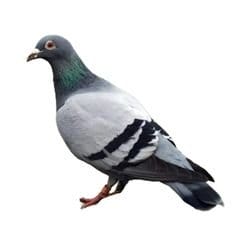
Birds are colorful creatures, and the colors can vary depending on the species. Grey, white, black, and brown are some of the most common colors of birds. Pigeons can also be seen with light blue, green, or peach streaks.
It is estimated that house sparrows are about 14 cm to 18 cm long with a wingspan of 19 cm to 25 cm. Other than that, the Canadian geese have wingspans ranging from 90 to 120 cm.
Different types of birds have different physical characteristics. But all of them have feathers, wings, and beaks. They are of varying size, shape, and have different features.
Get A Free Quote
We are affordable Pest Control Service in GTA & Surroundings Areas.
Birds are among the most familiar animals in the world, yet their lives are more complex than they may first appear. From a robin singing in a garden to a pigeon resting on a city rooftop, birds have adapted to live in forests, wetlands, grasslands, deserts, mountains, and urban environments. Their feathers, beaks, wings, and remarkable behaviours help them survive in many different conditions.
Birds play important roles in nature. Some pollinate flowers, while others disperse seeds, control insect populations, or help maintain ecological balance. Their presence can also tell us something about the health of an environment. However, when birds build nests in roof spaces, ventilation openings, or other parts of a building, they may create practical problems for property owners.
Understanding what birds are, how they live, and why they behave in certain ways makes it easier to appreciate them and manage unwanted bird activity responsibly. This guide explores bird characteristics, types, habitats, diets, reproduction, life cycles, common species, and ways to prevent bird-related problems around homes and businesses.
What Are Birds?
Birds are warm-blooded vertebrate animals belonging to the class Aves. They have feathers, beaks, two legs, and forelimbs that usually form wings. Most birds can fly, although some species, including ostriches and penguins, cannot fly in the same way as most other birds.
Birds are found on every continent, including Antarctica. Their size, appearance, diet, and behaviour vary widely. A hummingbird may feed on nectar, while an eagle hunts other animals. A duck is adapted for life around water, whereas a woodpecker uses its strong bill to search for insects in trees.
One of the defining characteristics of birds is their feathers. Feathers provide insulation, help with flight, protect the skin, and can play a role in communication and courtship. Birds also have lightweight skeletons and efficient respiratory systems that support the energy demands of flight in many species.
Birds reproduce by laying eggs. Most species build nests or use existing nesting sites to protect their eggs and raise their young. However, nesting habits differ considerably. Some birds nest in trees, others on the ground, and some use ledges, cavities, or sheltered spaces on buildings.
Birds are an important part of ecosystems because they interact with plants, insects, mammals, reptiles, and other organisms. Learning about their natural behaviour can help people protect bird populations while preventing conflicts around buildings.
What Are the Main Characteristics of Birds?

Birds share several biological features that distinguish them from other animal groups.
1. Feathers
Feathers are unique to birds among living animals. They help maintain body temperature, support flight, and provide protection. Feather colours and patterns can also help birds blend into their surroundings, recognize members of their species, or attract mates.
Some birds replace worn feathers through a process called moulting. The timing and pattern of moulting vary by species, age, and environmental conditions.
2. Wings and Flight
Most birds have wings, but not every bird can fly. Flying birds use their wings to generate lift and move through the air. Wing shape often reflects lifestyle.
For example, long, narrow wings can help some birds travel efficiently over long distances. Broad wings may help other species glide or manoeuvre through wooded habitats. Penguins have wings adapted for swimming rather than powered flight through the air.
3. Beaks
Birds have beaks instead of teeth. Their shape is closely related to their diet and feeding behaviour.
Seed-eating birds: Often have short, strong beaks that crack seeds.
Birds of prey: Usually have hooked beaks suited to tearing food.
Nectar feeders: May have long, narrow beaks for reaching flowers.
Waterbirds: May have broad or specialised bills for filtering food from water.
Woodpeckers: Have strong bills for working on tree bark and wood.
Beak shape is a useful clue to what a bird eats, although it does not tell the entire story.
4. Warm-Blooded Bodies
Birds are endothermic, meaning they maintain a relatively stable internal body temperature through their metabolism. Feathers provide insulation and help reduce heat loss in cold conditions.
Different species use different strategies to cope with temperature changes. Some migrate, some seek shelter, and others change their activity patterns when conditions become extreme.
5. Lightweight Skeletons and Efficient Breathing
Many flying birds have skeletal adaptations that reduce weight while maintaining strength. Their respiratory systems are also highly efficient, supplying oxygen during demanding activities such as sustained flight.
These features work together with strong flight muscles and specialised circulation to support movement and survival.
6. Excellent Senses
Many birds have excellent eyesight. Predatory birds can detect movement from a distance, while other species use visual cues to find food, navigate, or recognize potential threats. Hearing is also important. Bird calls can communicate alarm, attract mates, maintain contact with flock members, and defend territory.
What Are the Different Types of Birds?
Birds can be grouped according to their physical characteristics, feeding habits, habitats, and behaviour. The following categories are useful for understanding the wide variety of species.
1. Songbirds
Songbirds include many small and medium-sized species known for their vocal abilities. Robins, finches, sparrows, and chickadees are familiar examples. Their songs and calls help them communicate, attract mates, and establish territories. Many songbirds feed on insects, seeds, fruit, or a combination of foods.
Some songbirds readily adapt to gardens and neighbourhoods, where trees, shrubs, and feeders provide food and shelter.
2. Birds of Prey
Birds of prey include eagles, hawks, falcons, and many owls. They generally have strong feet, sharp talons, and hooked beaks suited to catching and eating animal prey.
Their diets may include rodents, fish, insects, smaller birds, or other animals, depending on the species. Birds of prey help regulate prey populations and are important members of food webs.
3. Waterbirds
Waterbirds depend on rivers, lakes, wetlands, shorelines, or coastal environments for at least part of their lives. Ducks, geese, swans, herons, and many shorebirds belong to this broad group. Their adaptations vary. Webbed feet help some species swim, while long legs and bills help others search for food in shallow water.
Waterbirds may gather in large groups where food and suitable nesting habitat are available.
4. Seabirds
Seabirds spend much of their lives in marine environments. Gulls, terns, puffins, and albatrosses are examples. Many seabirds have adaptations that help them travel long distances, find food over open water, or nest in colonies. Their breeding sites may include islands, cliffs, rocky shorelines, and, in some species, building rooftops.
5. Ground-Dwelling Birds
Some birds spend much of their time walking or feeding on the ground. Pheasants, quail, and ostriches are examples. Ground-dwelling birds may eat seeds, plants, insects, or small animals. Some nest directly on the ground, making them vulnerable to disturbance from people, pets, and other animals.
6. Climbing and Cavity-Nesting Birds
Woodpeckers are well known for climbing tree trunks and searching beneath bark for insects. Many species use tree cavities for nesting. Other birds use holes in trees, rock crevices, or cavities in buildings. Openings in structures can sometimes provide attractive shelter, especially when natural nesting sites are limited.
7. Flightless Birds
Flightless birds have evolved to live without powered flight. Ostriches, emus, kiwis, and penguins are examples. Their bodies reflect their environments. Ostriches have powerful legs for running, while penguins use their wings to propel themselves through water.
8. Urban Birds
Urban birds are not one scientific group. The term describes species that live in or around towns and cities. Pigeons, house sparrows, starlings, crows, and some gulls can thrive in built environments. Buildings provide ledges and sheltered cavities, while waste, gardens, and outdoor food sources may provide opportunities to feed.
Urban adaptation can be beneficial for birds, but it may also bring them into conflict with people when nesting or roosting occurs in unsuitable locations.
Where Do Birds Live?
Birds occupy a remarkable range of habitats. A species’ preferred environment depends on its food sources, nesting needs, physical adaptations, and seasonal behaviour.
Forests and Woodlands
Forests offer trees for nesting, shelter from weather, and a variety of food sources. Birds may feed on insects, seeds, nuts, fruit, or other animals. Some species live high in the canopy, while others search for food among branches, tree trunks, or leaf litter on the forest floor.
Grasslands and Open Fields
Grasslands support birds that feed on seeds, insects, and small animals. Some species nest on the ground, where vegetation can conceal eggs and chicks. Changes in vegetation, farming practices, and land development can influence the suitability of these habitats.
Wetlands and Lakes
Wetlands provide water, aquatic plants, insects, fish, and other food sources. Ducks, geese, herons, and many other waterbirds rely on these environments for feeding, resting, and breeding. Healthy wetlands can support a wide range of bird species throughout the year.
Mountains and Cliffs
Mountain habitats vary with elevation, temperature, and vegetation. Some birds nest on cliffs, while others inhabit forests and open slopes. Cliff ledges can provide nesting sites that are difficult for many ground predators to reach.
Deserts and Dry Regions
Birds living in dry environments must cope with limited water, high temperatures, and changing food supplies. Many avoid the hottest part of the day or obtain moisture from their food. Their survival depends on adaptations that reduce water loss and help them use available resources efficiently.
Cities and Residential Properties
Birds may use rooftops, balconies, sheds, warehouses, roof cavities, chimneys, and ventilation openings as resting or nesting locations. These places can resemble natural ledges or cavities. Once birds discover a sheltered site with suitable access, they may return to it.
Property owners can reduce unwanted bird activity by limiting access to suitable nesting areas before birds settle in, managing food waste, and keeping building openings properly maintained.
What Do Birds Eat?
Bird diets vary widely. Some species specialise in one type of food, while others adjust their diet according to the season and what is available.
Seeds and Grains
Finches, sparrows, doves, and pigeons commonly consume seeds or grains. Their beaks and digestive systems help them process these foods. Spilled birdseed, grain storage, and accessible food waste can attract birds to residential and commercial properties.
Insects and Other Invertebrates
Many birds eat insects, spiders, worms, and other small invertebrates. This feeding behaviour can help control insect populations. Swallows catch flying insects, while some songbirds search leaves and bark for small prey.
Fruit, Nectar, and Plant Material
Fruit-eating birds may disperse seeds after consuming berries or other fruit. Nectar feeders visit flowers, sometimes transferring pollen as they feed. Other species eat leaves, buds, shoots, or aquatic vegetation.
Fish and Aquatic Animals
Herons, kingfishers, ospreys, and many seabirds feed on fish or other aquatic animals. Their hunting methods vary according to body shape and habitat.
Small Animals and Carrion
Some birds of prey hunt mammals, reptiles, or smaller birds. Vultures and other scavenging birds consume carrion, helping remove animal remains from the environment.
Human Food Waste
Urban birds may eat discarded food, crumbs, and accessible rubbish. Leaving waste uncovered or feeding birds near entrances can encourage repeated visits. To reduce this attraction, use secure bins, clean outdoor eating areas, and avoid leaving food where birds can easily reach it.
How Do Birds Reproduce?
Bird reproduction involves courtship, mating, egg production, incubation, and the care of young birds. The details vary considerably between species.
Courtship and Mating
Many birds use songs, displays, colourful feathers, movements, or food offerings to attract mates. Some species form pairs for a breeding season, while others maintain longer-lasting pair bonds. Courtship behaviour can also help birds recognize suitable mates and establish territories.
Nest Building
Nests provide a place for eggs and, in many species, growing chicks. Materials may include twigs, grass, leaves, moss, feathers, mud, or other available substances.
Nesting sites vary greatly. Birds may use:
Tree branches and hollows
Shrubs and dense vegetation
Ground depressions
Cliffs and rocky crevices
Burrows
Roof spaces and sheltered building cavities
Ledges and ventilation openings
Not every bird builds a traditional nest. Some species lay eggs in simple ground scrapes or use cavities created by other animals.
Eggs and Incubation
Bird eggs contain the nutrients needed for embryonic development. Parents typically incubate the eggs by keeping them within a suitable temperature range. Incubation periods vary by species. During this time, adult birds may defend the nest and take turns incubating or feeding, depending on their breeding strategy.
Hatching and Parental Care
After hatching, young birds need different levels of parental care. Some chicks hatch relatively developed, with open eyes and the ability to move soon after birth. Others hatch helpless and depend on adults for warmth, protection, and food.
Parents may continue feeding young birds after they leave the nest. A fledgling seen on the ground is not necessarily abandoned; its parents may be nearby.
People should avoid approaching, handling, or relocating young birds unless there is an immediate safety concern and appropriate wildlife guidance has been obtained.
Parents may continue feeding young birds after they leave the nest. A fledgling seen on the ground is not necessarily abandoned; its parents may be nearby.
People should avoid approaching, handling, or relocating young birds unless there is an immediate safety concern and appropriate wildlife guidance has been obtained.
What Is the Life Cycle of a Bird?

The bird life cycle generally includes the following stages, although timing and development differ between species.
Stage 1: Egg
Development begins inside the egg after fertilisation. The embryo grows during incubation until the chick is ready to hatch.
Stage 2: Hatchling
A hatchling has recently emerged from the egg. In many species, it needs parental warmth, protection, and frequent feeding.
Stage 3: Nestling
The nestling grows feathers and develops the strength and coordination needed for life outside the nest. Parents may bring food repeatedly during this period.
Stage 4: Fledgling
A fledgling has left the nest but may still be learning to fly, forage, and avoid danger. It may spend time on branches or the ground while its parents continue to provide food.
Stage 5: Juvenile
As a juvenile matures, it develops adult-like plumage and behaviour. It gradually becomes more independent and learns the skills needed to survive.
Stage 6: Adult
An adult bird may establish a territory, find a mate, reproduce, or migrate. The age at which a bird becomes reproductively mature depends on its species. Some birds live only a few years, while certain larger species can live for decades. Lifespan is influenced by species, habitat, food availability, predation, disease, and human-related hazards.
Why Do Birds Migrate?
Bird migration is the seasonal movement of birds between different geographic areas. Many species migrate to find food, reach suitable breeding grounds, or avoid harsh seasonal conditions.
Food Availability
Insects, fruit, and other food sources may become scarce during colder months. Migration allows birds to move to regions where food remains available.
Breeding Opportunities
Some birds travel to areas where seasonal conditions provide abundant food and suitable nesting habitat for raising young.
Day Length and Internal Rhythms
Changes in day length help trigger seasonal changes in many migratory species. Internal biological rhythms and environmental conditions also influence migration.
Navigation
Birds may use several cues to navigate, including the sun, stars, Earth’s magnetic field, landmarks, and learned routes. The importance of each cue depends on the species and circumstances.
Not all birds migrate. Some remain in the same general region throughout the year, while others make shorter movements in response to food or weather.
Why Are Birds Important to the Environment?
Birds contribute to healthy ecosystems in several ways.
Natural Pest Control
Insect-eating birds consume many insects and other invertebrates. This feeding activity can help regulate some populations, although the effect varies by bird species and local conditions.
Seed Dispersal
Fruit-eating birds may carry seeds away from the parent plant. When the seeds are deposited in suitable locations, they can contribute to plant regeneration.
Pollination
Certain birds feed on nectar and transfer pollen between flowers. Bird pollination is particularly important for some plant species in regions where nectar-feeding birds are common.
Scavenging and Nutrient Cycling
Scavenging birds consume carrion and help return nutrients to the ecosystem. Their feeding activity forms part of natural decomposition processes.
Environmental Indicators
Changes in bird populations can sometimes signal shifts in habitat quality, food availability, or environmental conditions. Scientists monitor birds to help understand broader ecological changes.
Biodiversity
Birds are part of the interconnected food webs that sustain natural communities. Protecting their habitats can also benefit other plants and animals.
Residential Birds Control Service
Contact Acme Pest Solutions for Bird Management Services in Toronto. We control and manage the following bird infestations: Starlings, pigeons, house sparrows, and Canadian Geese.
What Are Common Birds Found Around Homes and Buildings?
Several bird species frequently use human-made structures for feeding, resting, or nesting. Their behaviour depends on the species and the resources available.
Pigeons
Pigeons are common in urban areas and often gather around buildings, bridges, balconies, and rooftops. Ledges provide places to rest and nest. Their presence may lead to accumulated droppings, staining, blocked drainage areas, and repeated cleaning needs.
House Sparrows
House sparrows are small birds that can live close to people. They may nest in roof gaps, wall cavities, or other sheltered spaces. Their nests can obstruct some openings and leave debris behind. Food waste and accessible grain can encourage them to gather around buildings.
European Starlings
European starlings often gather in flocks and use cavities or sheltered building spaces for nesting. Their calls and group activity can become noticeable when many birds gather in one location.
Gulls
Gulls are commonly associated with coastal environments, but some species also use inland urban areas. Flat rooftops may provide nesting sites, while rubbish and outdoor food sources can attract them.
Crows
Crows are intelligent, adaptable birds that can use trees, rooftops, and other elevated locations. They often feed on a varied diet and may take advantage of food waste.
Woodpeckers
Woodpeckers usually search for insects in trees and may excavate cavities for nesting. In some circumstances, they may peck at wooden structures, which can lead to noise or visible surface damage.
Recognising the species involved helps determine which prevention measures are appropriate. Different birds have different nesting habits, food preferences, and legal protections.
What Problems Can Birds Cause on a Property?
Birds are valuable wildlife, but nesting and roosting in unsuitable places can create maintenance concerns.
Droppings and Surface Staining
Bird droppings can accumulate on balconies, walkways, signs, vehicles, roofs, and other surfaces. Over time, deposits may stain materials and increase cleaning requirements.
Large accumulations should be handled carefully. Avoid dry sweeping or blowing dusty material into the air. For substantial deposits, hard-to-reach areas, or enclosed spaces, consider professional cleaning advice.
Blocked Vents and Drainage
Nesting materials can obstruct ventilation openings, gutters, and drainage routes. A blocked vent may interfere with airflow, while obstructed drainage can contribute to water buildup. Inspect accessible exterior openings periodically, but do not reach into a cavity that may contain birds, eggs, or nesting material.
Noise and Disturbance
Birds may call frequently, especially during courtship, territorial defence, or when adults are feeding young. Activity can be particularly noticeable when a nest is close to a bedroom, office, or shared outdoor area.
Nesting Debris
Twigs, grass, feathers, and other materials may collect around building openings. This debris can create additional cleaning and maintenance work.
Possible Hygiene Concerns
Droppings and nesting materials can contain microorganisms or support certain parasites. The level of concern depends on the species, amount of material, location, and exposure.
Avoid direct contact with accumulated waste, and do not assume every bird or dropping carries a particular disease. Use appropriate precautions and seek professional advice when dealing with substantial contamination.
Repeated Nesting
If a building provides a sheltered and accessible location, birds may attempt to use it again. Removing the immediate attraction without addressing access points may not prevent future activity.
How Can You Prevent Birds From Nesting in Unwanted Areas?
The most effective prevention approach depends on the bird species, the structure, and whether nesting is already taking place.
1. Manage Food Waste
Keep rubbish in secure containers with properly closed lids. Clean up spilled seed and food scraps, and avoid leaving pet food outdoors for long periods. Reducing accessible food can make a property less attractive to birds that gather around human activity.
2. Inspect Building Openings
Check for damaged vent covers, gaps around rooflines, broken screens, and other openings that could provide access to sheltered spaces. Repairs should be planned carefully. Before sealing an opening, confirm that no birds or other animals are trapped inside and that the space is not an active nest.
3. Maintain Gutters and Rooflines
Keep gutters clear of leaves and other debris, and address structural damage that could create nesting opportunities. Use suitable access equipment and professional help when working at height. Do not disturb an active nest simply because it is located in a gutter or roof cavity.
4. Use Suitable Physical Barriers
Depending on the location and bird species, properly designed netting, screens, or other exclusion products may help prevent access to selected areas. Barriers must be installed securely and maintained to prevent birds from becoming trapped or entangled. Not every deterrent suits every structure or species.
5. Reduce Roosting Opportunities
Some buildings have ledges, beams, or sheltered corners that attract roosting birds. Professionally selected exclusion measures may help make these areas less suitable without injuring wildlife. The design should account for drainage, ventilation, building maintenance, and the possibility of existing nests.
6. Avoid Harmful DIY Methods
Do not use poisons, glue traps, sharp improvised devices, or methods that could injure birds. Avoid climbing onto roofs or reaching into vents without appropriate training and equipment.
Noise devices and visual deterrents may have inconsistent results. Birds can become accustomed to repeated stimuli, so a deterrent that works briefly may not solve the underlying problem. For more practical prevention ideas, read Acme Pest Solutions’ guide on how to keep birds away from your house.
When Should You Contact a Bird Control Professional?
Professional assistance may be appropriate when birds repeatedly enter a building, nest in inaccessible areas, create substantial droppings, or block important ventilation openings.
Consider getting help when:
Birds are entering an attic, roof cavity, or ventilation system.
Nesting material is difficult to reach safely.
Bird activity continues despite reasonable prevention measures.
Droppings have accumulated in a large or enclosed area.
A commercial property needs a planned bird-exclusion strategy.
You are unsure whether a nest can legally be disturbed or removed.
A suitable assessment should identify the bird species where possible, the location of the activity, available access points, and the condition of any nest. The appropriate solution depends on these findings.
Bird control is not simply a matter of removing the birds. Effective prevention also considers why they chose the location and whether the building offers continued access to food, shelter, or nesting space.
Property owners seeking local assistance can learn more about bird removal services in Milton or bird removal services in Oakville. Choose the location page that matches the property.
Are Bird Nests Protected by Law in Canada?
Some birds, their eggs, and their nests are protected under Canadian federal or provincial laws. The exact rules depend on the species, whether the nest is active, its location, and the applicable legislation.
Under Canada’s Migratory Birds Regulations, 2022, it is generally prohibited to damage, destroy, disturb, or remove the nest of a migratory bird when it contains a live bird or viable egg, unless an applicable authorization or exception permits the activity. Certain listed nests receive additional year-round protection.
Nesting periods also vary by species, region, habitat, and year. A calendar is a planning tool, not a guarantee that a nest is inactive.
If you discover an occupied nest, keep your distance and avoid disturbing the birds. Do not remove eggs, handle chicks, or seal the entrance to an occupied cavity. If building work or bird control is needed, confirm the relevant requirements before proceeding.
For official guidance, consult Environment and Climate Change Canada’s information on nesting periods for migratory birds and its fact sheet on nest protection under the Migratory Birds Regulations, 2022.
Areas We Serve:
ACME Pest Solution offers bird management services in:
Frequently Asked Questions (Faqs)
What is a bird?
A bird is a warm-blooded vertebrate in the class Aves. Birds have feathers, beaks, two legs, and forelimbs that usually form wings. Most species lay eggs, and many are adapted for flight.
What are the main characteristics of birds?
The main characteristics include feathers, beaks, wings, two legs, warm-blooded bodies, and specialised respiratory systems. Birds also have well-developed senses and reproductive systems adapted to their species.
What are the different types of birds?
Common groups include songbirds, birds of prey, waterbirds, seabirds, ground-dwelling birds, cavity-nesting birds, and flightless birds. These categories describe broad differences in habitat, behaviour, or physical adaptations.
What do birds eat?
Birds eat a wide variety of foods, including seeds, grains, fruit, nectar, insects, fish, small animals, and carrion. Diet depends on the species, season, and available resources.
Where do birds build nests?
Birds may nest in trees, shrubs, cavities, burrows, cliffs, or on the ground. Some species also use building ledges, roof cavities, and ventilation openings when suitable shelter is available.
Why do birds come to houses?
Birds may visit homes for food, water, shelter, or nesting sites. Accessible rubbish, spilled seed, roof gaps, and sheltered ledges can make a property attractive.
How can I stop birds from nesting in my vents?
Arrange for the opening to be assessed, confirm whether a nest is present, and check the applicable wildlife rules. Once it is lawful and safe to do so, a suitable vent cover or exclusion barrier may help prevent future nesting. Never seal an occupied nest inside a cavity.
Can I remove a bird nest myself?
Not always. Some nests and birds are legally protected, particularly when nests contain live birds or viable eggs. Check the relevant rules and obtain qualified advice before disturbing a nest.
Are birds beneficial to the environment?
Yes. Birds can help disperse seeds, pollinate certain plants, consume insects, scavenge carrion, and support food webs. Their ecological roles vary by species.
What should I do if birds repeatedly enter my building?
Identify where the birds are entering, avoid disturbing any active nest, and assess the available food and shelter. If the birds are inside an inaccessible cavity or causing recurring problems, consult a qualified bird control professional.
Conclusion
Birds are diverse and adaptable animals that contribute to healthy ecosystems through feeding, pollination, seed dispersal, and other natural processes. Their feathers, beaks, wings, nesting behaviours, and diets reflect the environments in which they live.
Although birds are important wildlife, nesting and roosting around buildings can sometimes cause noise, droppings, debris, and blocked openings. Property owners can reduce these problems by managing food waste, maintaining structures, using appropriate exclusion measures, and respecting wildlife protections.
When birds settle in a difficult-to-access area, a careful assessment is the best starting point. Understanding the species, the nesting situation, and the available access points helps guide a practical and responsible solution.
If birds are repeatedly nesting in vents, roof spaces, or other parts of your property, Acme Pest Solutions offers bird control services in selected service areas. Review the relevant local service information or contact the company to discuss your situation before taking action.