
Mites
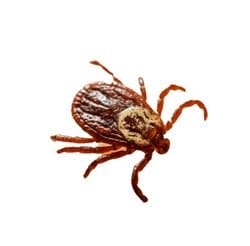
Identification
Mite’s color ranges from red and brown to green and yellow.
The size of mites varies significantly from one species to another, with 0.1 mm long to 1mm.
Mites are tiny, eight-legged creatures living in warm habitats, dirt and soil.
Get A Free Quote
We are affordable Pest Control Service in GTA & Surroundings Areas.
Mites are tiny arachnids related to spiders and ticks. They live in a wide range of environments, including soil, gardens, stored food, household dust, plants and animal nests. Most mites are harmless to people, and some even play useful roles in nature. However, certain species can damage plants, trigger allergies, infest stored products or bite people and pets.
If you have noticed tiny red, white or brown specks crawling across a windowsill, furniture, bedding or houseplants, you may be wondering whether they are mites. Identifying the species is important because different mites have different food sources, behaviours and control requirements.
Some mites, such as dust mites, are microscopic and are not visible to the naked eye. Others, including clover mites and certain bird mites, may be visible as tiny moving dots. Their presence does not always indicate an infestation that requires pesticide treatment.
In this guide, Acme Pest Solutions explains what mites are, the common types found in and around homes, signs of mite activity, possible causes and practical ways to prevent and manage mite problems.
What Are Mites?
Mites are small arthropods belonging to the subclass Acari. They are closely related to ticks and spiders and are not insects. Most mites have rounded or oval-shaped bodies. Their size, colour and appearance vary depending on the species. Some are almost transparent or pale, while others may appear red, orange, brown, yellow or greenish.
Many mites are so small that a magnifying glass or microscope is needed to identify them accurately. Larger species may be visible as tiny moving dots on surfaces or plants.
Mites occupy several ecological roles. Some feed on plant cells, others consume organic debris, and some are predators that feed on smaller organisms. Certain species live on or around birds and mammals.
Although mites are often associated with household pests, they are an extremely diverse group. Finding one type does not mean that every mite-control method will work for another.
Are Mites Insects?
No. Mites are arachnids, whereas insects belong to a separate group of arthropods. Adult mites and nymphs generally have four pairs of legs, although their youngest larval stage has three pairs. Some specialised mite groups have different body features.
Insects usually have three pairs of legs as adults and a body divided into a head, thorax and abdomen. Mites have a different body structure, which can make them difficult to distinguish from tiny insects without magnification.
Mites also do not fly or jump. They move by crawling, although wind, animals, clothing and other materials can carry some species from one location to another.
What Do Mites Look Like?
Mites vary considerably in appearance.
Common characteristics include:
- Very small bodies, often less than a few millimetres long.
- Oval, rounded or slightly elongated shapes.
- Colours ranging from white and pale yellow to red, brown or greenish.
- Small legs that may be difficult to see without magnification.
- Slow or rapid crawling, depending on the species.
Some plant-feeding mites produce fine webbing on leaves. Bird and rodent mites may be seen crawling near nests or along walls when searching for a host. Clover mites often appear as tiny reddish specks around windowsills and exterior walls.
Dust mites are different because they are microscopic and are not normally visible without specialised equipment. The most reliable way to identify mites is to examine their appearance, location and likely food source together. Colour alone is not enough to determine the species.
What Are the Different Types of Mites?
There are many mite species, but a few groups are particularly relevant to homeowners. Understanding their differences can help you decide what to inspect and whether professional assistance may be necessary.
1. Dust Mites
Dust mites are microscopic organisms commonly found in indoor environments. They thrive in suitable conditions where they can access moisture and organic material.
House dust mites feed mainly on shed skin flakes and other organic debris. They can be found in mattresses, bedding, upholstered furniture, carpets and other areas where dust accumulates.
Dust mites do not bite people. Instead, proteins found in their bodies and waste can trigger allergic reactions in sensitive individuals. Symptoms may include sneezing, a runny nose, itchy eyes or worsening asthma.
Because dust mites are microscopic, seeing tiny moving specks on a mattress or wall does not confirm that they are dust mites.
How to manage dust mites:
- Wash bedding regularly according to care instructions.
- Vacuum carpets, rugs and upholstered furniture.
- Use suitable allergen-resistant covers for mattresses and pillows.
- Reduce indoor humidity where practical.
- Keep dust from accumulating in bedrooms.
- Follow appropriate cleaning and maintenance routines.
Complete elimination of dust mites from a home is generally unrealistic. The more practical goal is to reduce exposure and manage conditions that support their presence.
2. Clover Mites
Clover mites are plant-feeding mites that sometimes enter buildings in large numbers. They are often reddish-brown or reddish-green and are especially noticeable around windows, doors, exterior walls and sunny surfaces.
These mites feed on grasses and other plants outside. They may move indoors when environmental conditions change or when vegetation grows close to a building.
Clover mites do not bite people and do not reproduce successfully indoors under normal household conditions. However, large numbers can be frustrating to homeowners.
When crushed, they may leave red stains on walls, curtains or other surfaces.
Signs of clover mites include:
- Tiny red or reddish-brown dots on windowsills.
- Groups of mites moving along sunny exterior walls.
- Activity near window frames and door openings.
- Mites appearing where grass or other vegetation meets the building.
To reduce clover mite entry, seal cracks around windows and doors, repair damaged screens and keep vegetation from growing directly against exterior walls.
Avoid crushing the mites on delicate surfaces. Vacuuming them carefully is generally preferable.
3. Bird Mites
Bird mites are associated with birds and their nests. Some species feed on birds and may enter buildings when a nest is abandoned, disturbed or no longer occupied.
When their usual host is unavailable, certain bird mites may wander indoors and bite people or pets. This can cause itching and skin irritation, although symptoms alone cannot confirm that bird mites are responsible.
Bird mites are very small and may appear pale, greyish or reddish depending on the species and whether they have recently fed.
Possible signs of bird mite activity include:
- Tiny crawling mites near windows or vents.
- Activity around eaves, roof spaces or exterior openings.
- Mites appearing near a former bird nesting site.
- Repeated sightings in one area after birds have left.
Finding tiny mites does not automatically establish that birds are the source. Correct identification is important before removing nests or applying treatment.
If a bird nest is suspected, determine whether it is active and check applicable wildlife requirements before disturbing it. Sealing entry points without addressing an existing mite problem may not resolve the source.
4. Rodent Mites
Rodent mites are associated with rodents such as rats and mice. Some species feed on these animals and may seek alternative hosts when their usual food source becomes unavailable.
If rodents die, are removed or leave a nesting area, certain mites may disperse into nearby rooms.
People may notice itching or small skin marks, but these symptoms are not sufficient to identify rodent mites. Other insects, skin conditions and environmental factors can cause similar problems.
Look for possible rodent activity, including droppings, gnaw marks, nesting materials and noises within walls or ceilings. For more information about recognising rodent activity, read our guide to what mice are and how to identify them.
Addressing the underlying rodent problem is important when rodent mites are confirmed or strongly suspected. Treating the mites alone may provide only temporary relief if their host remains present.
5. Spider Mites
Spider mites are plant-feeding mites that can damage indoor and outdoor vegetation. They are common concerns for people growing houseplants, vegetables, shrubs and ornamental plants.
These mites feed by piercing plant cells and consuming their contents. Their feeding can produce tiny pale spots on leaves, followed by yellowing, bronzing or leaf drop when damage becomes severe.
Some spider mites produce fine silk webbing, particularly when populations become large.
Signs of spider mites include:
- Fine pale speckling on leaves.
- Yellow or bronze patches.
- Delicate webbing beneath leaves or between stems.
- Declining plant health despite normal watering.
- Tiny moving dots on the undersides of leaves.
Inspect plants regularly, especially the undersides of leaves and areas around stems. Depending on the plant and mite species, washing leaves with water, removing heavily affected foliage and using an appropriate labelled plant treatment may help. Avoid applying household insecticides indiscriminately because they may damage plants or affect beneficial organisms.
6. Itch Mites and Other Biting Mites
Some mite species can bite people or animals. Examples include certain bird mites, rodent mites and chiggers, which are associated with particular hosts or outdoor environments.
Bites may cause itching, redness or small raised marks. However, many other causes can produce similar symptoms, including mosquitoes, fleas, bed bugs and skin irritation. It is important not to assume that unexplained itching means a home has mites.
If bites or skin irritation persist, consult an appropriate healthcare professional. If mites are suspected in the home, try to obtain a specimen or clear photograph for identification rather than relying on symptoms alone.
Control depends on the species and its source. For host-associated mites, dealing with the birds, rodents or other animals supporting the population is often an essential part of the solution.
Residential Pest Control Service
Customized pest control treatments can be used to safeguard your living space against bothersome pests and ensure that they don’t become a nuisance in your home.
Where Do Mites Live?

Mites occupy a wide variety of environments. Their preferred habitat depends on what they eat and the conditions they need to survive.
Bedding and Upholstered Furniture
Dust mites can live in mattresses, pillows, bedding, upholstered furniture and carpets. These areas collect skin flakes and other organic debris and may retain moisture. Regular washing, cleaning and humidity management can reduce exposure to dust mite allergens.
Gardens and Houseplants
Plant-feeding mites live on leaves, stems and other plant surfaces. They may become more noticeable when conditions favour rapid reproduction or when plants are stressed. Inspecting leaves and responding early can help prevent extensive damage.
Bird Nests and Roof Spaces
Bird-associated mites may be found in or near nests, roof spaces, vents and other places where birds have established nesting sites. When birds leave, some mites may disperse in search of another host. If the source is in a difficult-to-access location, a professional assessment may be appropriate.
Rodent Nesting Areas
Rodent mites are associated with rodents and their nesting sites. Possible locations include wall voids, attics, basements and other protected spaces where rodents may shelter. If signs of rodents are present, investigate the source rather than concentrating solely on the mites.
Windowsills and Exterior Walls
Clover mites may congregate around windows, doors and exterior walls before entering buildings through small openings. They are often associated with vegetation close to the structure. Sealing gaps and managing the area around the building can reduce entry.
What Causes Mites in a House?
Mites may appear indoors for several reasons. The cause depends on the species, so identifying the likely source is more useful than applying a general treatment.
1. Excess Indoor Humidity
Dust mites require suitable moisture conditions to thrive. Damp indoor environments can support dust mite populations and may also favour other organisms.
Use ventilation and dehumidification where appropriate. Address moisture problems such as leaks and persistent condensation. Reducing humidity can help manage dust mite allergens, although it does not guarantee that every mite will disappear.
2. Nearby Bird Nests
Bird nests on roofs, in vents or near windows can provide habitat for bird-associated mites. If the birds leave or the nest is disturbed, some mites may move into nearby areas. Inspect potential nesting locations carefully and follow applicable wildlife requirements before taking action.
3. Rodent Activity
Rodents may carry mites that depend on them as hosts. If rodents establish a nest inside a building, the associated mites may also become a problem.
Droppings, gnaw marks and nesting materials can help identify rodent activity.
Correctly addressing the rodent source is important when rodent-associated mites are involved.
4. Vegetation Close to the Building
Grass, shrubs and other plants growing near exterior walls can create favourable conditions for clover mites and other plant-associated species. Some may crawl through gaps around windows, doors and foundations. Maintaining a suitable gap between vegetation and the building, sealing cracks and repairing screens can help limit entry.
5. Infested Plants or Stored Materials
Spider mites can be introduced on new houseplants or outdoor plants brought inside. Other mites may be associated with stored food, animal materials or organic debris.
Inspect new plants and stored materials before placing them near other susceptible items. Where mites are found, determine whether they are feeding on the material itself or merely passing through the area.
What Are the Signs of a Mite Problem?
Mite activity can be difficult to recognise because many species are extremely small. Signs vary according to whether the mites live on plants, depend on animals or are associated with household dust.
Tiny Moving Specks
Small red, white, tan or dark specks crawling across a surface may be mites, but they could also be other arthropods. Note the location, speed of movement and nearby conditions. A magnifying glass or clear close-up photograph may help with preliminary identification.
Skin Irritation or Itching
Some biting mites can cause itching and skin irritation. However, these symptoms are not specific to mites and should not be used as the sole basis for a pest diagnosis.
If symptoms persist, seek medical advice and arrange proper pest identification where appropriate.
Fine Webbing on Plants
Fine webbing accompanied by pale spots or yellowing leaves may indicate spider mites. Inspect the undersides of leaves carefully. Other plant problems can produce similar symptoms, so check for actual mites before applying treatment.
Mites Near Windows or Doors
Clusters of tiny reddish mites near sunny windowsills and exterior walls may suggest clover mites. Look at nearby grass and vegetation to see whether the mites are concentrated around the building’s perimeter.
Activity Near Nests or Rodent Areas
Mites appearing near bird nests, vents, roof spaces or rodent nesting locations may be associated with birds or rodents. This connection is a useful clue, but the species should still be confirmed before choosing a control method.
How to Get Rid of Mites in Your Home
There is no single method that works for every mite species. The best approach starts with identification, locating the source and choosing measures suited to the pest.
Step 1: Identify the Mite
Record where the mites are appearing and whether they are associated with plants, bedding, food, bird nests or rodent activity. Take a clear photograph or collect a specimen safely if possible. A pest professional or diagnostic service may be able to identify it. Do not assume that every tiny crawling speck is a mite or that every mite can bite people.
Step 2: Find and Address the Source
The source is often the most important part of the investigation. For bird mites, inspect nearby nesting areas. For rodent mites, look for evidence of rodents. For clover mites, check exterior walls and surrounding vegetation. For spider mites, inspect affected plants.
Dust mite management requires a different approach focused on allergens, bedding, cleaning and indoor moisture conditions.
Step 3: Vacuum Affected Indoor Areas
Vacuum accessible floors, carpets, furniture and crevices where appropriate. Pay attention to windowsills, room edges and areas near suspected mite activity.
Dispose of vacuum contents in a sealed bag when finished. Vacuuming may remove some mites and debris, but it will not necessarily resolve a problem originating from a bird nest, rodent infestation or affected plant.
Step 4: Wash Suitable Fabrics
Wash bedding and other washable fabrics according to their care instructions. Where suitable for the material, laundering and thorough drying can help reduce dust mites and associated allergens.
Do not assume that washing bedding will resolve a bird mite or rodent mite problem if the source remains active elsewhere in the building.
Step 5: Reduce Moisture Where Necessary
For dust mite management, use ventilation and dehumidification where appropriate, and repair leaks or persistent dampness.
Reducing indoor moisture may make conditions less favourable for dust mites. It is not a universal treatment for all mite species.
Step 6: Seal Entry Points
Repair window screens and seal suitable gaps around doors, windows and other exterior openings. For clover mites, managing vegetation near the building can also help. For bird-associated mites, entry-point work should be planned alongside appropriate management of the nesting source.
Sealing gaps can reduce future entry but may not remove mites already established indoors.
Step 7: Use Pesticides Only When Appropriate
Avoid spraying unidentified mites with general-purpose insecticides. A product may be ineffective against the particular species or inappropriate for the surface where the mites are found.
If a pesticide is needed, use only a product labelled for the intended pest and application site. Follow all label directions, including restrictions involving children, pets, food, bedding and ventilation.
For persistent or widespread activity, professional identification and a targeted plan may be more appropriate than repeated, unverified treatments.
How to Prevent Mites From Returning
Prevention depends on the type of mite involved. However, several routine measures can help reduce the likelihood of recurring problems.
Maintain Clean Bedding and Living Areas
Wash bedding regularly and vacuum carpets, rugs and upholstered furniture. Dust surfaces and reduce the accumulation of organic debris. These measures are particularly useful for managing dust mite allergens, although complete elimination is not a realistic goal.
Monitor Houseplants
Inspect new plants before placing them beside existing houseplants. Check leaf undersides for tiny moving specks, webbing and discolouration. If a plant appears infested, separate it from other plants while you investigate the cause and choose an appropriate treatment.
Manage Vegetation Around the Home
Keep grass and dense vegetation from growing directly against exterior walls where practical. Seal gaps and maintain screens around windows and doors.
These steps may help reduce the entry of clover mites and other small outdoor arthropods.
Check for Birds and Rodents
Pay attention to signs of nesting birds and rodent activity around roof spaces, vents and other building openings.
Where a host-associated mite problem is suspected, determine whether the animals are still present and follow applicable requirements before removing nests or sealing access points.
Monitor Recurring Activity
Record where and when mites appear. Repeated activity in the same area may help narrow down the source. If the problem continues despite cleaning and exclusion measures, arrange proper identification before attempting more extensive treatment.
Are Mites Dangerous to Humans and Pets?
The risk depends on the mite species. Dust mites do not bite, but their allergens can trigger symptoms in sensitive people. Clover mites feed on plants and do not attack humans. Some bird and rodent mites can bite people or pets when their usual hosts are unavailable.
Plant-feeding mites can damage vegetation but are not generally a threat to people. A suspected mite problem should be investigated proportionately. Unexplained itching, skin marks or respiratory symptoms do not establish that mites are present. Consider appropriate medical advice if symptoms persist or worsen.
For pet owners, avoid applying human or household pest products to animals unless a veterinarian or the product label specifically supports that use.
Common Mistakes to Avoid When Dealing With Mites
Assuming All Mites Bite
Many mites do not bite people. Dust mites, for example, are associated with allergic reactions rather than bites, while clover mites feed on plants.
Correct identification prevents unnecessary treatments.
Treating Without Finding the Source
If mites originate from a bird nest or rodent nesting area, cleaning indoor surfaces alone may not solve the problem. Investigate the likely host or habitat and address it appropriately.
Confusing Mites With Other Pests
Tiny insects, springtails and other arthropods may be mistaken for mites. Skin irritation may also have causes unrelated to pests. Use a photograph, specimen or professional assessment when identification is uncertain.
Using Excessive Pesticides
Repeatedly applying products without identifying the pest may create unnecessary exposure and still fail to address the source.
Choose treatments based on the species and follow the product label.
Ignoring Plant Damage
Spider mites can multiply quickly under favourable conditions. Waiting until leaves are extensively damaged can make plant recovery more difficult. Inspect plants regularly and investigate early signs of speckling or webbing.
When Should You Contact a Pest Control Professional?
Professional help may be useful when mites keep appearing despite cleaning, when their source is difficult to access or when the species cannot be identified confidently.
Consider requesting an assessment if:
- Mites repeatedly appear in multiple rooms.
- Activity seems connected to a bird nest or rodent infestation.
- You cannot identify the mites from photographs.
- Mites persist after appropriate cleaning and exclusion.
- You need help determining whether pesticide treatment is necessary.
- The suspected source is inside a roof space, wall void or another difficult-to-access area.
A professional assessment should focus on identifying the mite, finding its source and selecting a control plan suited to the circumstances. Acme Pest Solutions provides residential and commercial pest control and wildlife removal services in Milton, Oakville, Mississauga and Brampton, Ontario. The appropriate response depends on the pest and the conditions found at the property.
For additional guidance, read our article on pest control services by specialists.
Frequently Asked Questions About Mites
1. What are mites?
Mites are tiny arachnids related to spiders and ticks. They live in many environments, and different species feed on plants, organic debris, stored products or animal hosts.
2. Can you see mites with the naked eye?
Some mites, including clover mites and certain bird mites, may be visible as tiny moving dots. Dust mites are microscopic and generally require magnification to see.
3. Do mites bite humans?
Some species can bite people, including certain bird and rodent mites. Dust mites do not bite, and clover mites do not attack humans. Correct identification is important when bites or irritation are suspected.
4. What attracts mites to a house?
The cause depends on the species. Dust mites thrive in suitable indoor moisture conditions and feed on organic debris. Bird and rodent mites may enter from nearby nests, while clover mites may crawl indoors from surrounding vegetation.
5. Are dust mites the same as bed bugs?
No. Dust mites are microscopic arachnids that feed on shed skin flakes and do not bite people. Bed bugs are insects that feed on blood. They require different identification and control methods.
6. Can mites live in mattresses?
Dust mites can inhabit mattresses and bedding where they find suitable conditions and food. Certain bird or rodent mites may also wander across bedding if their source is nearby, but this does not mean every mite found on a bed is a dust mite.
7. How do I know if I have bird mites?
Bird mites may be suspected when tiny mites appear near bird nesting sites or when activity begins after birds leave a nest. These clues are not definitive, so specimen identification is helpful before treatment.
8. Can mites damage houseplants?
Yes. Spider mites and other plant-feeding species can damage leaves by feeding on plant cells. Look for pale speckling, yellowing, bronzing and, in some cases, fine webbing.
9. Does cleaning get rid of mites?
Cleaning can help remove some mites and reduce dust and organic debris. However, cleaning alone may not resolve an infestation if its source is a bird nest, rodent host or affected plant.
10. When should I seek professional mite control?
Seek professional guidance when mites keep returning, the source is difficult to locate, or the species is unclear. Proper identification helps avoid unnecessary treatment and directs attention to the underlying cause.
Final Thoughts
Mites are a diverse group of tiny arachnids, and their presence does not always mean a home has a serious pest infestation. Some are associated with household dust, others feed on plants, and certain species depend on birds or rodents.
The most effective response starts with identification. Consider where the mites are appearing, look for related signs and investigate the source before choosing a control method.
Regular cleaning, moisture management, plant inspections and sealing appropriate entry points can help reduce some mite problems. However, host-associated mites may require attention to a bird nest or rodent source, while dust mite management focuses on reducing allergens rather than eliminating every mite.
If activity persists or the source remains unclear, professional guidance can help determine the next appropriate step. For more information about common household pests, visit the Acme Pest Solutions website or browse our pest-related guides.