
Termites
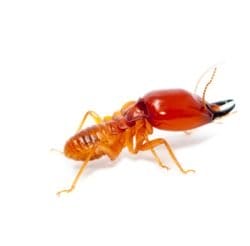
Termites Identification
These tiny insects have soft bodies that are creamy white or light brown in colour.
Most termite species range in size from 1/8 to 1 inch long.
The head contains their mouthparts, eyes, and antennae, which they use to communicate with each other through chemical signals. The thorax is where their legs and wings attach.
Get A Free Quote
We are affordable Pest Control Service in GTA & Surroundings Areas.
Termites are small insects that feed on materials containing cellulose, including wood, paper, and other plant-based materials. They play an important role in nature by breaking down dead wood and returning nutrients to the soil. However, when termites enter buildings, they can damage wooden structures, flooring, door frames, and other parts of a property.
A termite infestation can develop without obvious warning signs. Many termites live underground, inside wood, or within protected colonies. As a result, homeowners may not notice a problem until they find mud tubes, discarded wings, hollow-sounding wood, or other evidence of termite activity.
Understanding what termites are, how they behave, and what attracts them can help property owners recognize potential problems early. This guide explains common termite species, their life cycle, warning signs, the damage they can cause, and practical ways to reduce the risk of an infestation.
What are Termites
Termites are social insects belonging to the order Blattodea, which also includes cockroaches. They live in organized colonies containing different groups, or castes, that perform specific roles. Depending on the species and colony, these groups may include workers, soldiers, and reproductive termites.
Worker termites gather food, maintain the nest, and care for young termites. Soldiers defend the colony from predators. Reproductive termites, including the queen and king, help maintain and expand the colony.
Termites are sometimes called white ants because worker termites can look pale and resemble ants at first glance. However, termites and ants have important physical differences. Termites generally have straight antennae, broad waists, and wings of similar length in their winged reproductive forms. Flying ants typically have elbowed antennae, narrow waists, and front wings that are longer than their hind wings.
Why Are Termites Important?
In natural environments, termites help decompose dead wood, fallen branches, and other plant material. This process returns nutrients to the ecosystem and supports soil health.
The same feeding behaviour can become a concern when termites consume structural timber or other cellulose-containing materials in buildings. Termites do not need to eat every piece of wood they encounter to create a problem. Damage can develop in concealed areas and may weaken affected materials over time.
What Do Termites Look Like?
Termite appearance varies according to species, caste, and life stage. Most people encounter one of three forms: pale workers, darker soldiers or reproductive termites, and winged swarmers.
Worker Termites
Worker termites are usually soft-bodied and pale cream, white, or light tan. They are often found inside damaged wood, underground galleries, or mud tubes.
Workers perform much of the colony’s feeding and maintenance activity. They can be difficult to see because they usually remain in protected environments rather than moving openly across exposed surfaces.
Soldier Termites
Soldier termites protect their colonies. They may have larger heads, strong mandibles, or other defensive features, depending on the species. Their bodies are often pale, while their heads can be darker or more heavily developed. Soldiers generally remain near workers and colony galleries rather than searching for food independently.
Winged Termites
Winged reproductive termites, often called swarmers or alates, leave mature colonies to establish new colonies under suitable conditions. They typically have darker bodies than workers and two pairs of similarly sized wings. After a swarming event, they may shed their wings, leaving small piles near windows, doors, or other light sources.
Finding winged insects indoors does not automatically confirm structural termite damage, but it is a reason to investigate their identity and possible entry point.
Termite Eggs and Young
Termite eggs are small and usually kept inside protected nest areas. Newly hatched termites develop through immature stages before becoming workers, soldiers, or reproductives.
These early stages are rarely visible to homeowners because they remain within the colony. Seeing termites of different sizes or castes can indicate an established colony, but an inspection is needed to determine whether activity is affecting a building.
What Is the Difference Between Termites and Ants?
Termites and ants can appear similar, particularly when both are seen flying around a building. However, several features can help distinguish them.
| Feature | Termites | Ants |
|---|---|---|
| Waist | Broad and relatively straight | Narrow and pinched |
| Antennae | Usually straight | Usually elbowed |
| Wings | Front and hind wings are similar in length | Front wings are generally longer |
| Colour | Often cream, tan, or dark brown, depending on caste and species | Varies widely by species |
| Feeding habits | Many species consume cellulose-containing materials | Many species feed on sugars, proteins, seeds, or other foods |
| Nesting | Soil, wood, or other protected locations, depending on species | Soil, wood, wall voids, or other sheltered locations |
These differences are useful clues, but insects can be difficult to identify accurately without a close examination. If you discover a swarm or a large number of discarded wings, collect a sample or take clear photographs if safe to do so, and seek a reliable identification.
What Are the Most Common Types of Termites?

Termites are classified into different groups based on their biology, nesting habits, and food sources. Three commonly discussed groups are subterranean termites, drywood termites, and dampwood termites. Their distribution varies by climate and region, so not every type is equally common in every location.
1. Subterranean Termites
Subterranean termites typically live in underground colonies or in protected areas connected to soil. They may build mud tubes to travel between their colony and a food source while maintaining suitable moisture conditions. These tubes can appear along foundation walls, basement surfaces, support posts, and other areas where wood is close to soil.
Subterranean termites can damage structural timber when they gain access to a building. Moisture, soil contact, cracks, and concealed entry points can influence the risk of infestation.
2. Drywood Termites
Drywood termites live directly inside suitable wood and generally do not require soil contact. Colonies may develop in structural timber, furniture, wooden fixtures, or other wood products.
Some drywood termites produce small, hard, pellet-like droppings called frass. These pellets may collect beneath infested wood or near small openings.
Drywood termite evidence differs from subterranean termite evidence, so control methods must be selected according to the actual species and the extent of the infestation.
3. Dampwood Termites
Dampwood termites are associated with wood that has a high moisture content. They may occur in decaying logs, damp structural timber, or areas affected by persistent leaks.
Their presence can point to a moisture problem that needs attention. Repairing the source of excess moisture and replacing severely deteriorated materials may be important parts of addressing the underlying conditions.
Not every damp or damaged piece of wood contains termites. A proper inspection helps distinguish termite activity from decay, water damage, and other wood-damaging organisms.
Residential Pest Control Service
Customized pest control treatments can be used to safeguard your living space against bothersome pests and ensure that they don’t become a nuisance in your home.
What Are the Signs of a Termite Infestation?

Termites often remain hidden, which makes it important to recognize indirect evidence. No single sign always confirms an active infestation, but several clues together can justify a professional inspection.
1. Mud Tubes on Walls or Foundations
Subterranean termites may construct narrow mud tubes from soil and other materials. These tubes help protect them as they travel between their colony and food sources. Look for tubes along foundation walls, basement surfaces, crawl spaces, or wooden structures that contact soil.
Do not assume every mud tube is active. A professional can examine the tube and nearby wood to determine whether it indicates current activity.
2. Discarded Wings Near Windows and Doors
Winged termites may be attracted to light after emerging from a colony. Once they find a suitable place to establish a colony, they commonly shed their wings.
Small piles of similar-looking wings on windowsills, near exterior doors, or around light fixtures can be a warning sign. Check whether the insects have straight antennae, broad waists, and similarly sized wings before deciding whether they are termites.
3. Hollow-Sounding or Damaged Wood
Termites can consume wood internally while leaving parts of the outer surface intact. Affected wood may sound hollow when gently tapped or show areas that are soft, blistered, or damaged.
However, hollow-sounding wood can also result from construction methods, decay, or other causes. Avoid breaking apart structural components just to investigate.
4. Bubbling Paint or Damaged Finishes
Paint that bubbles, cracks, or appears uneven can sometimes occur where wood has been damaged or moisture has accumulated. These symptoms are not specific to termites. Plumbing leaks, condensation, poor ventilation, and other building problems can create similar effects.
If damaged paint occurs alongside mud tubes, discarded wings, or suspicious timber, investigate the underlying cause rather than simply repainting the surface.
5. Small Holes or Frass
Some termite species leave small openings or dry, pellet-like droppings near infested wood. These signs are especially relevant when considering drywood termites.
Frass may resemble sawdust or other debris, so appearance alone is not always enough for identification. The location, texture, and nearby wood condition help establish whether termites are involved.
6. Doors or Windows That Become Difficult to Operate
Changes in doors and windows can result from seasonal humidity, swelling wood, foundation movement, or other building conditions. In some cases, termite damage may contribute to changes in wooden frames.
This sign should not be treated as proof of an infestation. Look for additional evidence and arrange an inspection if several warning signs occur together. Learn more about pest control services by specialists when several warning signs appear together.
Where Do Termites Live?
Termite nesting locations depend on the species and the environmental conditions it needs. Subterranean termites commonly nest in soil or protected areas connected to it. They may travel through cracks, service openings, and concealed structural gaps to reach wood.
Drywood termites can live within wooden objects or structural timber, while dampwood termites are associated with wood that remains wet or decays.
Around a home, areas worth checking include:
Wooden posts and steps close to the soil.
Crawl spaces and basement edges.
Decks, fences, and other outdoor timber.
Areas beneath leaking plumbing or around water-damaged materials.
Wood stored against exterior walls.
Cracks or gaps where utility lines enter the building.
Roof or wall areas affected by persistent moisture.
These locations are inspection priorities, not proof that termites are present. The goal is to identify conditions that could allow access, provide food, or support termite activity.
What Attracts Termites to a House?
Termites seek food and suitable conditions for survival. A property may be more vulnerable when wood, moisture, and protected access points are available.
Moisture and Water Leaks
Many termite species depend on moisture or benefit from damp conditions. Leaking pipes, blocked drainage, poor ventilation, and water collecting near foundations can create favourable conditions for some species.
Repairing leaks and directing water away from the foundation can reduce these risks. It also helps prevent wood decay and other moisture-related building problems.
Wood-to-Soil Contact
Wooden components that touch soil may provide a convenient route to cellulose-containing materials. Examples include untreated posts, steps, siding, or timber placed directly on the ground.
Where practical, maintain appropriate separation between soil and vulnerable structural wood. Construction details and local requirements should guide any changes.
Cracks and Unsealed Openings
Small openings around foundations, pipes, and other service penetrations can provide potential entry routes. Termites may also reach concealed wood through existing structural gaps.
Sealing suitable openings and maintaining the building envelope can reduce access opportunities. However, sealing visible gaps will not eliminate an established colony that is already inside a structure.
Poor Drainage and Persistent Dampness
Downspouts that discharge close to a building, poorly graded ground, and standing water can increase moisture near foundations. Correcting drainage problems helps protect the building and makes conditions less favourable for moisture-dependent pests. Drainage improvements should not redirect water toward neighbouring properties or compromise the foundation.
How Do Termites Damage a Home?

Termites feed on cellulose, a structural component of plant cell walls found in wood and paper products. When they reach suitable building materials, their feeding can damage parts of a property over time.
Structural Timber
Termite activity may affect joists, beams, support posts, wall framing, and other wooden components. The extent of damage depends on the species, colony activity, material condition, and duration of the infestation. Damage to load-bearing wood deserves particular attention because it can affect the strength and stability of a structure.
Floors and Wooden Fixtures
Floorboards, wooden trim, door frames, cabinets, and other fixtures may also be affected. Some damage remains concealed until a surface becomes distorted or weakened. A visual inspection of exposed surfaces may not reveal the full extent of activity inside the wood.
Repair Costs and Hidden Damage
Repair needs vary widely. A limited area of damaged trim is different from an infestation affecting several structural components. Termite control and structural repair are separate tasks. Pest management addresses the insect problem, while a qualified building professional determines whether damaged materials require repair or replacement.
Early investigation can help property owners understand the scope of the problem before damage spreads further. Termites are not the only pests that can affect a property. Understanding other pests that can damage your home can help homeowners recognize different pest-related concerns and decide when further inspection may be appropriate.
How Can You Prevent Termites?
No single prevention step can guarantee that termites will never enter a building. However, regular maintenance and moisture management can reduce risk and make warning signs easier to detect.
1. Keep Wood Away from Soil
Where possible, avoid direct contact between soil and vulnerable wooden components. Store firewood and spare timber away from the building and raise it off the ground where appropriate.
Keep stored wood away from exterior walls so it does not conceal potential entry points or create a sheltered route toward the structure.
2. Repair Leaks Promptly
Check plumbing, roof drainage, gutters, downspouts, and areas where water collects. Fix leaks and address persistent dampness rather than covering the affected surface. If wood has remained wet for a long time, have it assessed for decay and other damage as well as possible termite activity.
3. Improve Drainage Around the Foundation
Direct water away from the building where practical. Keep drainage systems clear and check whether soil or landscaping allows water to collect near the foundation. Avoid making major grading changes without considering their effect on the building and surrounding properties.
4. Seal Suitable Gaps
Inspect visible openings around pipes, cables, and other service entries. Use appropriate materials to seal gaps where doing so will not interfere with drainage, ventilation, or required building functions. Sealing is a preventive measure, not a substitute for inspecting suspicious termite activity.
5. Inspect Accessible Wooden Areas
Periodically check accessible foundations, crawl spaces, basement edges, decks, fences, and wooden structures near the ground. Look for mud tubes, discarded wings, unusual holes, damaged finishes, and signs of persistent moisture. Do not enter unsafe crawl spaces or disturb potentially contaminated or unstable materials.
6. Arrange an Inspection When Evidence Appears
If you find several possible termite signs, seek a professional assessment. An inspection can help identify the pest, locate affected areas, and determine whether treatment is necessary.
A history of termite activity, previous repairs, or recurring moisture problems may also be relevant when deciding how closely a property should be monitored.
Can You Get Rid of Termites Yourself?
Homeowners can take useful preventive steps, but eliminating an established termite colony can be more complicated than removing visible insects. Vacuuming up swarmers, removing discarded wings, or applying a general household insect spray may address what is visible without resolving the source of the problem.
Similarly, replacing a damaged piece of wood does not necessarily eliminate termites elsewhere in the building or soil.
What Homeowners Can Do
Reasonable initial steps include:
Photographing suspicious signs for identification.
Noting where and when termite-like insects appear.
Fixing obvious plumbing leaks.
Removing unnecessary wood stored against the house.
Keeping the affected area accessible for inspection.
Avoiding disturbance of suspected structural damage.
Do not cut into load-bearing timber or dismantle structural areas without suitable professional guidance.
Why Professional Assessment May Be Needed
A qualified pest management professional can investigate the likely termite group, inspect accessible areas, and recommend an approach suited to the building and infestation.
Depending on the findings, management may involve monitoring, targeted treatment, baiting systems, or other appropriate methods. Not every method is suitable for every species or situation.
Always follow product labels and applicable regulations. Do not mix pesticides or apply products in ways that are not specified by the label.
What Happens During a Termite Inspection?
A termite inspection aims to identify evidence of activity, possible entry routes, conducive conditions, and the areas that may need further attention. The exact inspection process depends on the building, accessibility, and the suspected termite species.
Step 1: Review Visible Evidence
The inspector may examine reported sightings, discarded wings, mud tubes, damaged timber, and other visible signs. The location of each sign can help guide the rest of the inspection.
Step 2: Examine Accessible Areas
Accessible foundations, wooden structures, moisture-prone spaces, and other relevant areas may be checked for signs of activity or damage. Some concealed areas may require additional assessment. A standard visual inspection cannot always reveal every hidden section of an infestation.
Step 3: Consider Moisture and Entry Conditions
The inspection may identify leaking pipes, poor drainage, wood-to-soil contact, or openings that could contribute to the problem. These findings can help distinguish immediate treatment needs from longer-term preventive work.
Step 4: Recommend Appropriate Next Steps
Recommendations should reflect the evidence found. They may include pest treatment, additional investigation, moisture repairs, changes to wood storage, or assessment of damaged structural components. Ask what the inspection established, which areas remain uncertain, and whether follow-up monitoring or repairs are recommended.
When Should You Contact a Pest Control Professional?
Consider professional help when you discover mud tubes on a building, repeated termite-like swarms indoors, discarded wings alongside other warning signs, or wood that appears damaged without an obvious explanation. A professional assessment is particularly important when suspected activity involves support beams, floor framing, or other structural components.
You should also investigate recurring signs rather than assuming the problem has disappeared because visible insects are no longer present. Swarmers may be seasonal, and hidden activity can continue without obvious surface evidence. For residential and commercial properties, an appropriate inspection can help determine the next steps without relying on guesswork.
Are termites dangerous to humans?
Termites are not generally considered a direct physical threat to people in the way that some stinging or biting pests can be. Their main concern in buildings is damage to wood and other cellulose-containing materials. Avoid handling unknown insects or applying pesticides without following the product label.
Do termites eat concrete?
Termites do not eat concrete. However, they may travel through existing cracks or gaps in concrete to reach wooden materials. Concrete surfaces can therefore conceal routes used by termites without serving as a food source.
Can termites live in furniture?
Yes. Certain termites, particularly drywood termites, can infest suitable wooden furniture. Evidence may include small holes, discarded wings, or characteristic droppings. The species and extent of activity should be identified before choosing a treatment approach.
Do termites always leave visible signs?
No. Termites often remain hidden inside wood, soil, or protected galleries. Visible evidence may appear only after activity has been present for some time. Periodic inspection of accessible and moisture-prone areas can help identify concerns earlier.
Does damp wood always mean termites are present?
No. Damp wood may result from leaks, condensation, poor drainage, or other moisture problems. It can also attract some wood-damaging organisms. The source of moisture and the condition of the wood should be assessed before deciding whether termite treatment is necessary.
Are flying termites a sign of an infestation?
Flying termites can indicate that a mature colony is nearby or that swarmers have entered from outside. Their presence indoors deserves attention, especially when accompanied by discarded wings or other evidence. Correct identification is important because flying ants can look similar.
How can I make my home less attractive to termites?
Reduce unnecessary moisture, repair leaks, maintain drainage, avoid direct wood-to-soil contact where practical, and keep stored timber away from the building. These steps lower some risk factors but cannot guarantee complete protection.
Should I remove termite mud tubes?
Avoid removing suspected mud tubes before documenting their location and seeking advice if you suspect an infestation. The tubes may provide useful evidence during an inspection. Breaking them open does not eliminate the colony or resolve concealed activity.
Can termites return after treatment?
Termite activity can recur if the underlying conditions remain favourable, if treatment does not address the full problem, or if termites gain access again. Follow-up recommendations depend on the species, treatment method, property conditions, and inspection findings.
How do I know whether wood needs replacing?
The need for replacement depends on the location and severity of the damage. Surface damage to non-structural trim differs from damage to load-bearing components. A qualified building professional should assess structural integrity when important wooden supports may be affected.
Conclusion
Termites play a valuable role in natural ecosystems, but their feeding habits can create serious concerns when they affect buildings. Knowing the signs of termite activity, understanding the conditions that attract them, and maintaining your property can help you respond before a problem becomes more extensive.
If you notice mud tubes, discarded wings, suspicious wood damage, or repeated termite-like activity, arrange an appropriate inspection instead of relying on visible insect removal alone.
Acme Pest Solutions provides residential and commercial pest control services. If you suspect a termite problem, contact the team to discuss your concerns and determine the appropriate next step.