
How to Get Rid of Honey Bees
Finding honey bees around your home can be worrying, especially when they gather near a doorway, roof, shed, or garden. However, seeing a group of bees does not always mean you have an infestation. They may be a temporary swarm looking for a new place to live, or they may have established a colony inside a wall or another enclosed space.
The safest way to get rid of honey bees is to identify the situation, keep people away from the bees, and contact an experienced beekeeper or qualified bee-removal professional. Avoid spraying, disturbing, or attempting to remove the colony yourself. Honey bees are important pollinators, and relocation may be possible when the colony and its location allow it.
This guide explains how to identify honey bees, what to do when you find a swarm or hive, which removal methods to avoid, and how to prevent bees from returning to the same location.
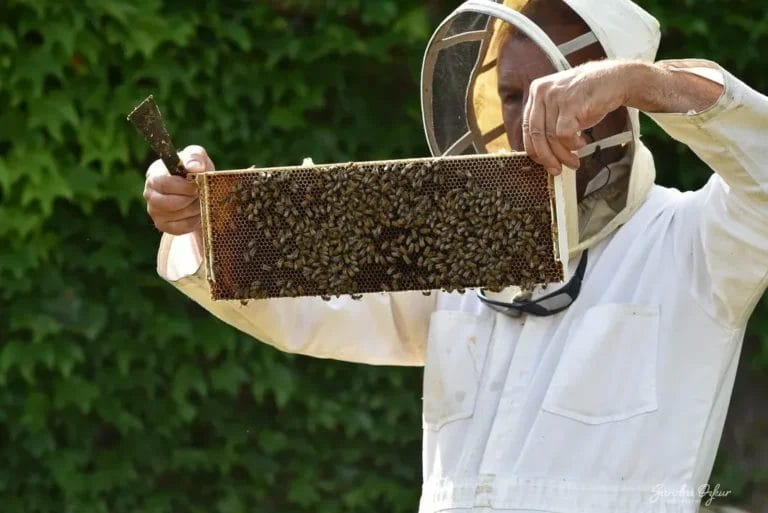
How to Get Rid of Honey Bees Safely
The right approach depends on where the bees are located and whether they have established a permanent colony.
Follow these steps when you discover honey bees on your property:
Keep your distance. Avoid touching, swatting, or disturbing the bees.
Keep children and pets away. Prevent anyone from approaching the swarm or suspected hive.
Identify the situation from a safe distance. Look for a loose cluster of bees or regular activity around a small opening in a wall, roof, or shed.
Contact a local beekeeper or bee-rescue service. They may be able to collect and relocate a swarm or accessible colony.
Arrange professional removal for colonies inside structures. Established colonies may require specialist work to remove bees, comb, wax, and honey.
Repair the entry point after removal. Once the colony has been safely removed and the space properly cleaned, seal suitable gaps to reduce the risk of another colony moving in.
In Ontario, the Ontario Beekeepers’ Association recommends contacting local beekeepers or bee-rescue services for assistance. Some accessible swarms may be collected without charge, while removal from buildings and associated repairs can involve additional costs.
How to Identify Honey Bees Around Your Home
Before deciding how to manage a bee problem, determine whether the insects are actually honey bees. Bumblebees, carpenter bees, wasps, hornets, and yellow jackets can look similar from a distance, but they do not all require the same approach.
What Do Honey Bees Look Like?
Honey bees are generally small to medium-sized insects with golden-brown and dark brown bands across their abdomens. Their bodies have fine hairs, and they often visit flowers while collecting nectar and pollen.
You may notice them:
Flying repeatedly between flowers and a particular opening.
Gathering in a dense cluster on a tree branch or fence.
Entering and leaving a small hole in a wall, roof, or shed.
Moving around a cavity where a colony may have established itself.
For more information about bee identification, read our guide to what bees are and how to recognize them.
Honey Bee Swarm or Established Hive?
A swarm usually appears as a cluster of bees hanging from a tree branch, shrub, fence, or another exposed surface. Swarming is a natural part of honey bee reproduction. The group is searching for a suitable permanent home.
An established colony is different. Bees may repeatedly enter and exit the same small opening in a building, wall cavity, roofline, or shed. You might also notice increasing bee activity in one area over time.
A swarm may move on by itself within a short period, but there is no guarantee that it will leave quickly. A colony inside a structure is more likely to require specialist removal.
Do not approach closely to investigate. A qualified professional or beekeeper can assess the situation more safely.
What Should You Do If You Find a Honey Bee Swarm?

A swarm can look alarming because hundreds or thousands of bees may gather in one visible cluster. Despite its appearance, a swarm is not necessarily preparing to attack. Swarming bees are often relatively calm, but they can sting when threatened or disturbed.
Leave the Swarm Undisturbed
If the swarm is in a tree or another location away from entrances and busy areas, keep your distance and arrange advice from a local beekeeper. Some swarms relocate naturally after a short period.
Do not shake the branch, spray the bees, throw objects at the cluster, or attempt to collect them in a container. These actions can disturb the bees and increase the risk of stings.
Contact a Local Beekeeper
An experienced beekeeper may be able to collect an accessible swarm and relocate it to an appropriate apiary. Availability depends on the location, season, and beekeeper’s capacity.
The Ontario Beekeepers’ Association’s swarm removal guidance explains how to find local assistance and why established colonies in buildings often require more specialised work.
When contacting a beekeeper, explain where the swarm is located, how long it has been present, and whether it is near a frequently used entrance. Provide photographs only if they can be taken safely from a distance.
How to Get Rid of Honey Bees in a Wall
Honey bees sometimes establish colonies inside wall cavities, roof spaces, chimneys, sheds, or other sheltered areas. These situations need more care than a temporary swarm sitting on a branch.
Look for Signs of a Hidden Colony
You may suspect a colony inside a wall if you notice:
Bees repeatedly entering and leaving the same small gap.
Consistent bee activity near roof edges or exterior walls.
Buzzing sounds coming from a concealed cavity.
Bees appearing indoors near a wall, ceiling, or light fitting.
These signs do not prove that honey bees are nesting inside the building. A professional inspection is needed to determine the insects’ identity and the source of the activity.
Why Spraying Is Not a Complete Solution
Spraying the entrance may kill some exposed bees without removing the colony or the comb inside the structure. Honey, wax, and dead bees can remain hidden in the cavity.
An untreated cavity can create ongoing problems, including odours, staining, attraction of other insects, and interest from other pests. Depending on the location, removal may require opening part of the structure and coordinating repairs.
A suitable removal plan should consider the colony’s location, access, building materials, and the work required after the bees have been removed.
Remove the Colony and Address the Cavity
Where feasible, an experienced specialist may remove the bees and accessible comb, clean the affected area, and recommend repairs. The exact process depends on the structure and the condition of the colony.
Do not seal the entrance while bees remain inside. Blocking the opening without removing the colony can trap bees in the structure or cause them to seek other routes into the building.
How to Get Rid of Honey Bees in a Roof or Shed
Roof spaces and sheds can provide sheltered locations for a colony. The main challenge is reaching the bees without disturbing them or damaging the structure.
If bees are entering a roofline, avoid climbing onto the roof or removing exterior panels yourself. Working at height while bees are active creates additional risks.
For a shed, keep the door closed when possible if doing so does not trap people or pets inside. Avoid moving stored items near the suspected colony, and do not block the bees’ entrance.
A professional should determine whether the bees are in an accessible location, whether structural work is required, and how to remove any remaining comb. After removal, inspect the area for openings that could allow another colony to establish itself.
If the problem involves wildlife or other animals entering a building, our guide on how to get rid of wildlife animals offers additional information about managing unwanted animal activity around a property.

What Methods Should You Avoid When Removing Honey Bees?
Some common do-it-yourself methods can make a bee problem harder to resolve. They may also put people, pets, and beneficial insects at risk.
1. Do Not Spray the Bees
Household insecticides and other sprays are not an appropriate substitute for identifying the colony and planning its removal. Spraying can kill exposed bees without resolving the underlying problem. Never use a product contrary to its label or apply pesticides in ways that could expose people, pets, or non-target insects.
2. Do Not Use Fire or Smoke as a DIY Removal Method
Burning materials near a hive or using uncontrolled smoke can cause fires, damage buildings, and disturb the colony. Smoke is a specialised beekeeping tool, not a safe homeowner removal method.
3. Do Not Block the Entrance Prematurely
Filling a gap before the bees and comb have been removed can trap bees inside. The colony may remain in the structure, and bees may attempt to find alternative exits. Seal openings only after the removal and clean-up work is complete and the area has been assessed.
4. Do Not Knock Down the Hive
Hitting a branch, removing a nest by force, or disturbing a colony inside a wall can provoke defensive behaviour. It can also make professional removal more difficult.
5. Do Not Assume Every Bee Problem Is the Same
Honey bees, bumblebees, carpenter bees, wasps, and hornets have different nesting habits. An incorrect identification can lead to an unsuitable treatment choice.
If you are unsure what you have found, keep your distance and seek identification advice before taking action.
Should You Remove Honey Bees Yourself?
In most cases, homeowners should not attempt to remove a honey bee swarm or established colony themselves.
A swarm can be difficult to collect safely, and a colony inside a building may require specialist equipment, suitable protective clothing, and careful access to the cavity. Even apparently calm bees can sting when disturbed.
Professional assistance is particularly important when:
Bees are inside walls, roofs, chimneys, or enclosed spaces.
The colony is close to a doorway or another high-traffic area.
Someone on the property has a known serious allergy to bee stings.
The work involves ladders, roof access, or opening building materials.
You cannot confidently identify the insect.
For an accessible swarm, a local beekeeper or bee-rescue service is often a good first contact. For a colony inside a structure, look for a provider with relevant honey bee removal and comb clean-up experience.
When comparing providers, ask whether the bees can be relocated, what the service includes, whether structural repairs are separate, and whether a written quote is available.
How to Prevent Honey Bees From Returning

Once the bees have moved on or the colony has been removed, prevention can help reduce the chance of another colony settling in the same area.
Seal Suitable Entry Points
After confirming that the colony and remaining comb have been removed, repair gaps around rooflines, exterior walls, eaves, and sheds. Use suitable materials for the surface and building design. Do not seal an opening that may still contain an active colony.
Inspect Sheltered Spaces
Periodically check accessible exterior areas for new gaps or signs of repeated bee activity. Pay attention to roof edges, sheds, wall openings, and unused structures. Early identification may make it easier to arrange assistance before a colony becomes established inside a building.
Manage Food and Sweet Residues
Keep sugary drinks, exposed food, and spills cleaned up, particularly during outdoor meals. Store food in covered containers and clean sticky residues from outdoor surfaces. These steps can reduce the attraction of food-seeking insects, although they will not prevent a honey bee colony from establishing itself in a suitable cavity.
Preserve Beneficial Pollinators
Honey bees visit flowering plants for nectar and pollen. Their presence in a garden is usually beneficial and does not automatically mean removal is necessary.
If bees are visiting flowers without establishing a nest in a problematic location, consider leaving them undisturbed. Focus on removal only when the colony’s location creates a genuine concern or requires professional attention.
When Should You Call a Professional for Honey Bee Removal?
Seek professional help when the bees have established a colony inside a building, when their location creates a safety concern, or when removal requires specialist access.
A qualified provider should assess the insect species, colony location, access requirements, and the need for comb removal and repairs. The recommended approach should reflect the actual conditions rather than rely on a one-size-fits-all treatment.
For general pest concerns around your property, explore our pest control services to learn more about available assistance. Confirm that the provider handles honey bee colonies specifically, as not every pest control service offers bee relocation or structural colony removal.
If you are in Milton, Oakville, Mississauga, or Brampton, contact Acme Pest Solutions to discuss your concern and determine whether the appropriate service is available for your situation.
Frequently Asked Questions
Will honey bees leave on their own?
A temporary swarm may move to a more permanent location within a day or several days. However, a swarm may also settle and establish a colony. Monitor only from a safe distance and contact a beekeeper if it remains or creates a concern.
Is it safe to remove honey bees without killing them?
Relocation may be possible, depending on the colony’s location, accessibility, and condition. A beekeeper or specialist can advise whether live removal is practical. Colonies inside structures may require additional work to remove comb and clean the cavity.
Can I use vinegar to get rid of honey bees?
Vinegar is not a reliable solution for removing an established honey bee colony. Spraying household substances at the bees can disturb them without resolving the underlying issue. Keep your distance and seek appropriate removal advice.
What happens if honey bees build a hive inside a wall?
The colony may continue growing inside the cavity. Honey, wax, and other material can remain after the bees are gone, potentially causing odours or attracting other pests. Professional removal and suitable clean-up may be needed.
Are honey bees dangerous?
Honey bees are generally not aggressive when left undisturbed, but they can sting when threatened. Keep away from colonies, avoid provoking the bees, and take particular care around anyone with a known serious allergy.
Who should I call to remove a honey bee swarm?
Contact a local beekeeper, bee-rescue service, or a professional experienced in honey bee removal. In Ontario, the Ontario Beekeepers’ Association provides guidance for finding swarm-removal assistance.
How much does honey bee removal cost?
The cost depends on whether the bees form an accessible swarm or an established colony inside a building. Structural access, comb removal, clean-up, and repairs can affect the final price. Ask for a quote that clearly explains the work included.
Conclusion
Getting rid of honey bees starts with understanding what you have found. A temporary swarm may need little more than time and professional guidance, while a colony inside a wall or roof may require specialist removal and clean-up.
Avoid spraying the bees, blocking their entrance, or attempting a risky DIY removal. When possible, contact a beekeeper or bee-rescue service that can assess whether relocation is suitable. If the colony is inside a structure, choose a provider with relevant experience in colony and comb removal.
For help with pest concerns around your home or business, contact Acme Pest Solutions to discuss the situation and confirm which services are appropriate for your needs.